
What makes Meta ads work for footwear
Meta ads work for footwear when they solve the fit and comfort doubt before the click. Show shoes moving on real feet, on real surfaces, with a clear size guide and an easy exchange promise in the ad itself. Then use catalogue ads to cover your range, and judge results after returns, because Ads Manager counts revenue at checkout, not after exchanges and refunds.
Shoes sit between fashion and function. Style gets the stop, but comfort and fit close the sale, and both are invisible in a photo. That is why the strongest footwear creative is footage of feet doing things: a runner on a wet street, a server on a long shift, a guest dancing at a wedding. The viewer reads comfort from how naturally the person moves.
Size anxiety is the main brake on conversion. Sizes vary between brands, many people sit between sizes, and width is rarely shown. Each unanswered sizing question becomes either a lost sale or a return, so the ad and landing page should both carry fit guidance.
Creative checklist
- On feet, in motion, first second. Low camera angles at foot height with real movement.
- One surface, one claim. Grip on wet tiles, cushioning on concrete, support on a trail: show the test that matches your claim.
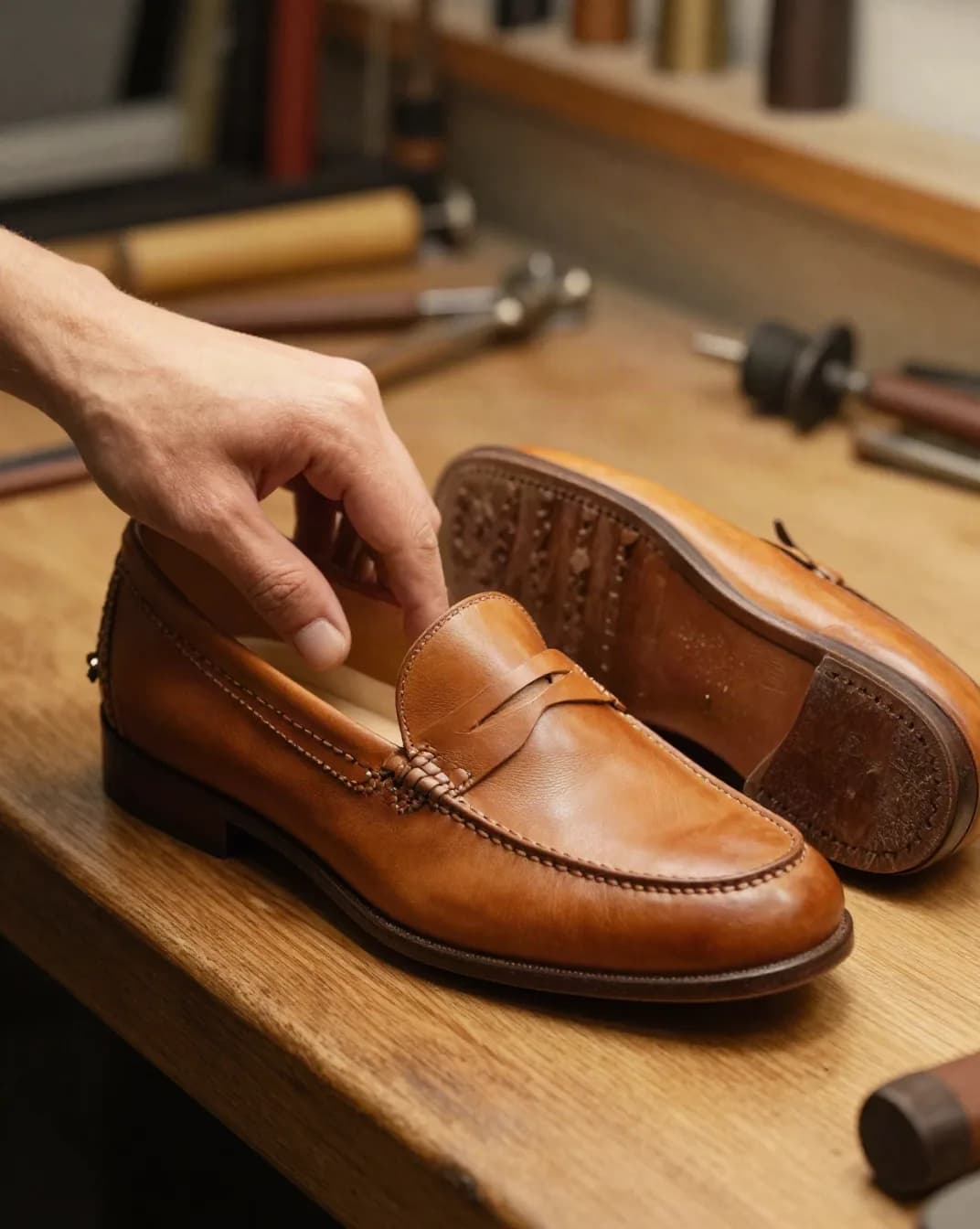
- Sole and stitching close-ups. Rotate the shoe, flex it, press the insole.
- Diverse feet and builds. Show different ages, foot shapes and skin tones, so more viewers can picture the shoe on themselves.
- Fit line in the copy. "True to size, half sizes available, free exchanges" is often the most useful sentence in the ad.
- Every colourway in the catalogue. Let catalogue ads show the colours, and keep the hand-made creative for the hero angle.
Try comfort-led and style-led versions of the same shoe side by side. The creative testing framework explains how to run that test cleanly.
Targeting and audiences
Start broad with Advantage+ audience. Running shoes, formal shoes and sandals find different buyers through the creative alone. Sport, fashion and occupation interests can be suggestions, not limits.
- Catalogue retargeting: footwear browsers look at many styles, so Advantage+ catalog ads showing the exact pair and size viewed are a natural fit.
- Replacement cycles: running and work shoes wear out. Past buyers are worth a reminder when your own data shows they usually come back.
- Lookalikes: seed from repeat buyers and low-return customers, so delivery leans towards people who keep what they order.
Offers and landing pages
Free exchanges usually do more for footwear than discounts do, because they remove the risk that stops people buying. A second-pair offer, a socks or care-kit bundle, or a try-two-sizes option can also work. Avoid running constant sitewide sales, which teach buyers to wait.
The landing page needs a size guide by foot length in centimetres or inches, width notes, how the shoe fits compared with common sizing, materials, care instructions and the exchange process in plain steps. Reviews that mention fit, such as "runs half a size small", are worth surfacing.
When should footwear brands spend more?
Footwear follows the weather and the calendar. Sandals and slides lead in spring and summer, boots in autumn and winter, and monsoon-ready footwear in South Asia in the rainy months. Back-to-school, running season and wedding season in India add demand for specific styles, and the year-end sales lift everything. Shift creative and catalogue sets ahead of each change rather than running the same shoe all year.
Compliance to watch
Read Meta's Advertising Standards and local consumer law.
- Medical claims. "Cures plantar fasciitis", "fixes posture" or "relieves back pain" are health claims that need evidence and can push a product into medical-device rules. "Cushioned for long shifts on your feet" describes the product.
- Personal attributes. "Do your feet hurt every day?" implies a health condition. Speak to the situation, not the viewer's body.
- Material claims. "Genuine leather", "vegan leather" and "waterproof" (as opposed to water-resistant) must be accurate.
- Counterfeits and lookalikes. Copying a famous sneaker's signature design, or calling a product a "dupe" of a named brand, can breach Meta's intellectual property rules.
- Deceptive pricing. Inflated "was" prices and resetting countdowns breach Meta's rules and consumer protection law in many markets.
Metrics to watch
Returns and exchanges are the hidden cost in footwear. Build them into your target with the break-even ROAS calculator.
Example: a ₹2,999 sneaker (about $34) costs ₹950 to make, ₹120 to ship and ₹90 in fees, leaving ₹1,839 and a break-even ROAS of 1.63. If 20 in every 100 orders are exchanged at ₹240 in extra two-way shipping, the cost per order placed is ₹48, so contribution drops to ₹1,791 and break-even ROAS rises to about 1.67. Exchanges are cheap. Refunds hurt far more, because you lose the sale as well as the shipping, which is why turning refunds into exchanges is often the best profit lever in this category.
Also track return and exchange rate by style and size, conversion rate on product pages, hook rate on motion footage, and CPA separately for full-price and sale orders.
How Fly ROAS helps
Fly ROAS learns your brand from your site, studies long-running footwear ads in the Meta Ad Library to decode the hooks and formats that keep working, and builds ads from your real product photos, flagging any where colours or details drift. Autopilot then runs 48-hour tests inside your monthly cap. The fashion and apparel playbook covers returns and sizing in more depth.
Frequently asked questions
Do Facebook ads work for shoe brands?
Yes, footwear suits Facebook and Instagram because shoes are visual and many brands have large catalogues that work well with catalogue ads. The difference between profit and loss is often returns, so show fit guidance in the ad, offer easy exchanges and judge results on revenue after returns rather than revenue at checkout.
How do you reduce returns from footwear ads?
Answer sizing questions before the click. Give foot-length size guides, width notes and comparisons with common sizing, show the shoe on different feet, surface reviews that mention fit, and make exchanges easier than refunds. Then track return rate by style and size to find the products that cause most returns.
Should footwear brands use catalogue ads?
Usually yes. Shoes come in many styles, colours and sizes, and shoppers browse several before deciding. Advantage+ catalog ads can show each person the pairs they viewed or similar ones. Keep a few hand-made video ads alongside them for the hero products, because catalogue images can't show comfort in motion.
Can I call my shoes orthopaedic or say they relieve pain?
Only with evidence, and possibly not at all depending on where you sell, because pain relief and medical claims can bring in medical-device rules. Meta also doesn't allow copy that implies the viewer has a health condition. Describing features, such as arch support or cushioning for long shifts, is the safer route.