


What makes Meta ads work for clothing brands
Fashion is one of the most natural fits for Facebook and Instagram: people discover clothes by scrolling, and a strong outfit shot stops the thumb. The catch is that attention is cheap and fit uncertainty is expensive. Every "will this fit me?" left unanswered becomes a lost sale or a return, and returns eat margin faster than a high CPM does.
The brands that do well run two engines side by side: creative-led ads for new drops, fit and occasions, and catalogue ads that follow up with the exact products people viewed. If you sell in India, the D2C playbook for India covers COD, RTO and regional demand in more depth.
Creative checklist
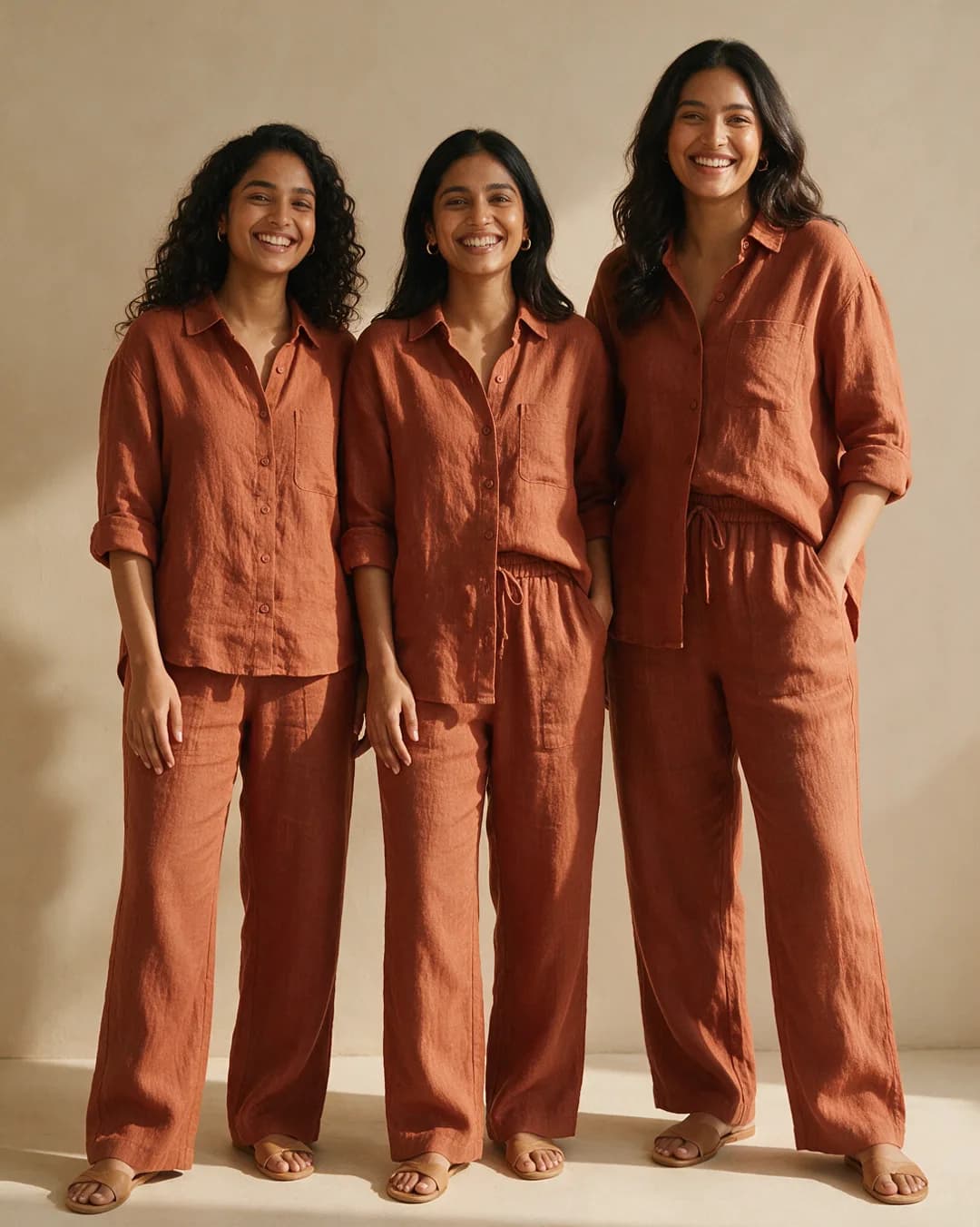
- Fit on real bodies. The same piece on different heights and sizes, with the size each person wears named in the copy.
- Movement. A walk, a twirl, a sit-down: drape and stretch only show in motion, which is why Reels suit fashion.
- Fabric close-ups. Weave, print, stitching and lining, plus a line on what the fabric does in heat or humidity.
- The full look and its price. Styled outfits with a total price sell more than a lone item on a hanger.
- Occasion framing. Office, wedding functions, festivals, travel: one occasion per ad.
- Real launch moments. A genuine drop date and genuinely limited quantities give people a reason to act now.
Fashion creative ages quickly, so plan new concepts every week or two and watch for ad fatigue.
Catalogue ads and campaign structure
If you sell more than a handful of products, connect a clean catalogue and use Advantage+ catalog ads. They're strong for retargeting product viewers and cart abandoners, and they can prospect broadly too. Keep the feed accurate: sizes in stock, correct prices and on-model images where you can.
A simple starting structure is one prospecting campaign with broad targeting and three to six creative concepts, one catalogue campaign for retargeting, and short bursts for launches and sales. Whether to set budgets at campaign or ad set level is covered in CBO vs ABO.
Targeting and audiences
Broad targeting lets strong creative do the filtering: an ethnic co-ord set and a gym set will find different people on their own. Add past purchasers and engaged followers as audience suggestions, and use lookalikes as seeds rather than hard limits.
- Retargeting: catalogue ads showing the viewed product plus close alternatives.
- Region and language: festive demand follows regional calendars, so plan creative market by market.
- Existing customers: new drops for past buyers belong in a separate, smaller budget so you can see what prospecting really costs.
Offers and landing pages
A good size guide does more for conversion than most discounts: measurements in centimetres and inches, the model's height and size, and a plain fit note such as "runs small, size up". State the exchange policy clearly, because it's often what decides a first-time buyer.
In India, COD is often expected for fashion, and RTO and returns hit hardest here. Confirm COD orders before dispatch, consider free exchanges with paid returns if margins demand it, and try a prepaid incentive. Bundles such as "any three for" raise order value without training people to wait for sales.
Compliance to watch
Read Meta's Advertising Standards. These are the rules that most often catch fashion brands:
- Counterfeits and trademarks. "Inspired by" a designer label, lookalike logos or copied signature designs can breach Meta's intellectual property rules.
- Sexually suggestive imagery. Lingerie and swimwear are allowed, but images focused on individual body parts, revealing clothing or suggestive poses should be targeted at people 18 and over, and nudity isn't allowed at all.
- Deceptive pricing. Inflated "was" prices count as deceptive pricing under Meta's rules, and India's dark-patterns guidelines from the Central Consumer Protection Authority also cover false urgency, such as countdowns that reset.
- Body image. Shapewear or slimming claims fall under Health and Wellness, which bans statements attacking someone's appearance.
Metrics to watch
Returns change the maths in fashion, so include them when you calculate break-even with the break-even ROAS calculator.
Example: a ₹1,799 dress (about $19) with ₹520 product cost, ₹90 shipping and ₹55 fees contributes ₹1,134, a break-even ROAS of 1.59. Now assume 15 in every 100 orders come back: you refund them and resell the stock, but lose the shipping and fees on each, plus ₹160 for the reverse pickup. Contribution per order placed falls to about ₹918, and break-even ROAS rises to about 1.96, because Ads Manager counts revenue at checkout, not after returns.
Track CPA by creative, return rate by product and by ad, average order value, and frequency on catalogue retargeting.
How Fly ROAS helps
Fly ROAS reads your store into a Brand DNA, decodes long-running fashion ads in the Meta Ad Library into recipes (fit carousels, drop teasers, occasion edits) without copying anyone's images, and builds new ads from your real product photos, with a pre-flight check that flags any ad where colours or prints drift. Autopilot tests them in 48-hour rounds, by default stops a test that spends twice your target CPA without a sale, and scales winners in steps you choose. See how it works.
Frequently asked questions
How do clothing brands advertise on Facebook and Instagram?
Most run a creative-led prospecting campaign (new drops, fit, fabric, occasions) alongside catalogue ads that retarget people with the exact products they viewed. Broad targeting lets strong creative find buyers, while launches and sales get short, focused bursts. Reels suit fashion because drape and fit show best in motion.
What is a good ROAS for a clothing brand?
There's no universal number, because it depends on your margin, return rate and repeat purchase. Calculate your break-even ROAS from price, product cost, shipping, fees and expected returns. Anything above it is profitable on the first order. Brands with strong repeat purchase can accept a lower first-order ROAS.
Should I use Advantage+ catalog ads for my clothing store?
If you have more than a handful of products and a working pixel and catalogue, usually yes, especially for retargeting product viewers and cart abandoners. Keep the feed accurate on sizes, stock and prices, and use on-model images where you can. Pair catalogue ads with creative-led ads, since a product grid rarely explains fit or fabric.
How many ad creatives should a fashion brand test?
Enough to test distinct angles, not colour variations of one ad. A practical rhythm is a small batch of new concepts every week or two, each judged on cost per purchase against your break-even, with winners scaled and losers paused. Larger ranges and seasonal collections need a faster refresh.