

What makes Meta ads work for supplements
Supplement ads face a built-in tension. The reasons people buy (more energy, better sleep, stronger joints) are exactly the claims Meta and regulators restrict. Ads that shout benefits get rejected. Ads that say nothing specific get ignored. The ones that work are precise about ingredients, dose, format and routine, and let the viewer connect that to their own goal.
Supplements are also bought again and again, which changes the maths. A first order that only breaks even can still be profitable if customers reorder, so measure acquisition against customer lifetime value and subscription retention, not first-order ROAS alone.
Creative checklist
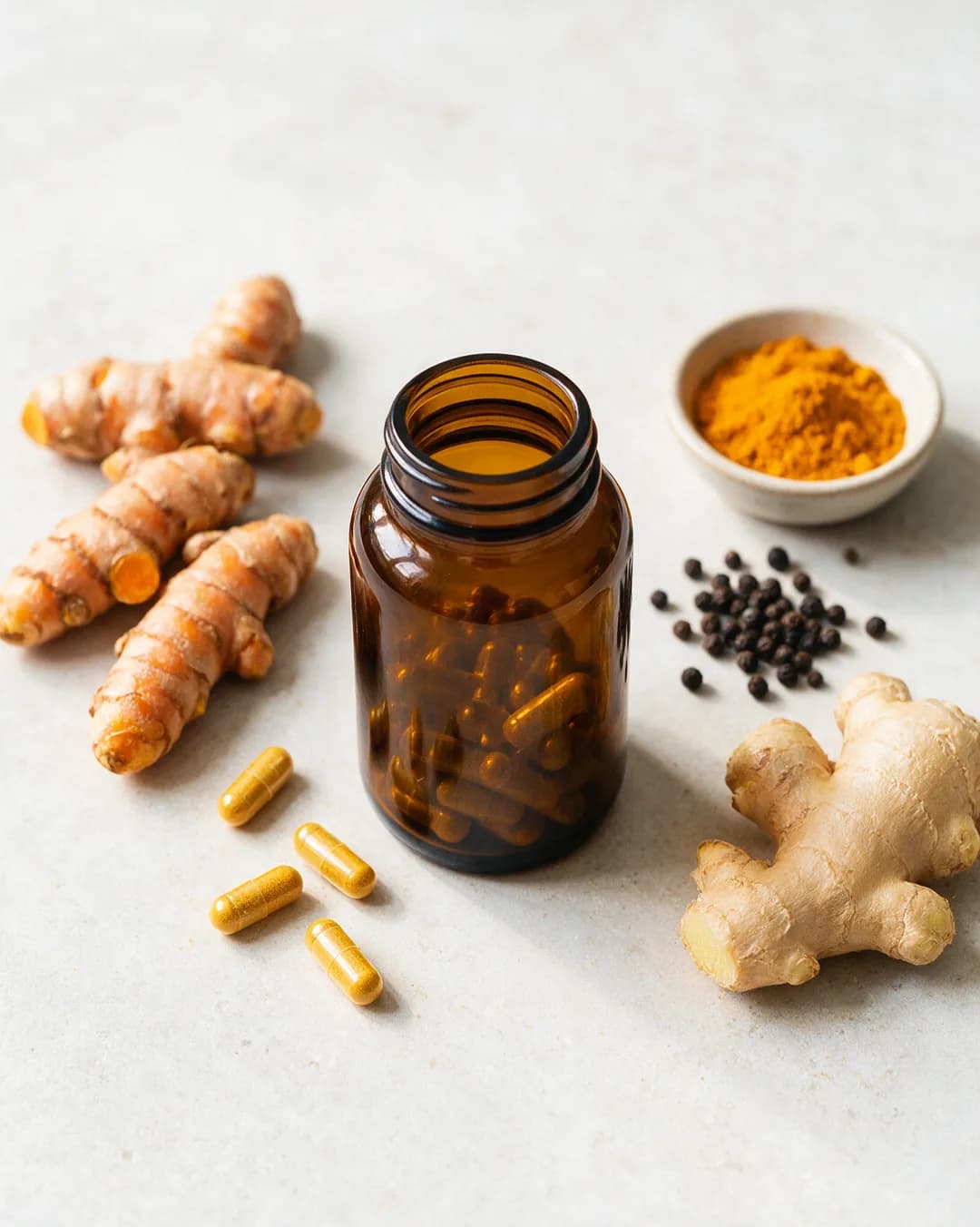
- Ingredient and dose up front. "500 mg ashwagandha root extract per capsule" tells an informed buyer more than "premium formula".
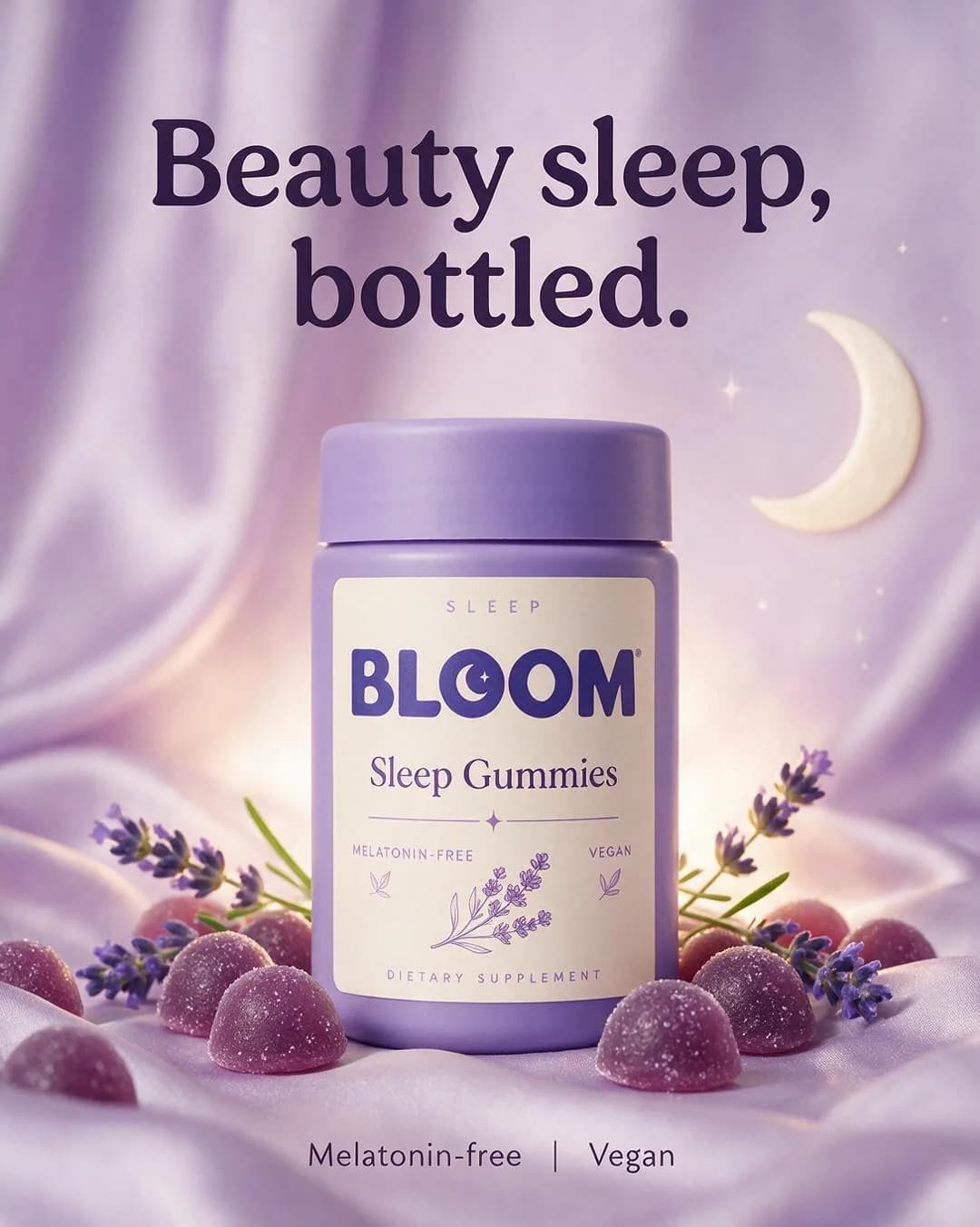
- The format advantage. Gummies, powders, effervescent tablets and capsules each have a practical story: taste, no water needed, easy to carry.
- The routine. With breakfast, after a workout, before bed. Habit framing sells consistency without promising outcomes.
- Label transparency. Show the supplement facts panel and say what's left out, only when it's true.
- Expert voice, carefully. A nutritionist or formulator explaining why the formula is built the way it is works. Implied endorsements you can't document don't.
- Real routines. Creators filming their morning stack feel native to Reels. Tag paid partnerships with Meta's branded content tool.
Keep copy tight and check where it truncates with the ad copy checker. For a disciplined way to compare angles, use the 48-hour creative testing framework.
Targeting and audiences
Meta requires ads for dietary, health and weight-management products to target people aged 18 or over. Beyond that, start broad with Advantage+ audience. Health-condition targeting isn't available (Meta removed detailed targeting options tied to health topics), and the creative does the filtering anyway: a sleep gummy ad and a protein ad find different buyers on their own.
- Suggestions, not fences: fitness, yoga or nutrition interests, plus past purchasers and subscribers, as audience suggestions.
- Retargeting: product viewers and cart abandoners, with the ingredient explainer or a starter-pack offer.
- Lookalikes: seed from subscribers who stayed past their second or third order, since they're the customers you want more of.
Offers and landing pages
Good first offers lower commitment: a 15-day starter pack, a flavour sampler, or a first-order subscription saving with pause-any-time terms. For monthly products, price per day ("about ₹33 a day") often lands better than the pack price.
In India, confirm COD orders before dispatch and consider a prepaid incentive to cut RTO. The landing page must match the ad, and should show the full label, dosage, who the product is and isn't for, FSSAI licence details, and how subscriptions work, including how to cancel.
Compliance to watch
Read the Health and Wellness and Drugs and Pharmaceuticals sections of Meta's Advertising Standards. The main lines:
- Personal attributes. "Do you have low energy?" implies a health condition. "Iron and B12 in one daily gummy" describes the product.
- No cure claims or clickbait. Meta bans claims to cure a listed set of incurable diseases, and sensational promises of specific results in a set time without qualifiers.
- Weight management. 18+ targeting, no fat-pinching close-ups, no statements attacking appearance, and any results shown must state the time taken.
- Unsafe supplements. Meta prohibits supplements it considers unsafe, at its discretion, and currently allows hemp product ads only in Canada, Mexico and the US.
- India. FSSAI's nutraceutical and advertising-and-claims regulations govern what you can say, the Drugs and Magic Remedies Act bars claims for listed diseases, and ASCI requires influencer disclosure. Ayurvedic formulations bring extra rules, covered in the ayurveda and herbal playbook.
| Instead of | Try |
|---|---|
| "Lose 5 kg in 30 days" | "A high-fibre meal shake: 18 g protein, 180 kcal" |
| "Struggling to sleep?" | "Magnesium and chamomile gummies for your wind-down" |
| "Boosts immunity instantly" | "Vitamin C and zinc, one tablet with breakfast" |
Metrics to watch
Set break-even with the break-even ROAS calculator, then decide how far below it you'll go based on real repeat data.
Example: a ₹999 monthly pack (about $10) with ₹220 product cost, ₹70 shipping and ₹40 fees contributes ₹669, so the first-order break-even CPA is ₹669 (break-even ROAS 1.49). If your own data shows customers buy 2.5 packs on average over six months, lifetime contribution is about ₹1,670, and a ₹900 CPA can be profitable, but only if that repeat rate is real and you can fund the wait.
Also watch hook rate, landing-page conversion rate, subscription take-up and churn after the second delivery.
How Fly ROAS helps
Fly ROAS builds its Brand DNA from your site, including the honest proof points you can back up, and drafts hooks around ingredients, format and routine. Competitor radar decodes long-running supplement ads in the Meta Ad Library so you can see which recipes last, and Autopilot runs 48-hour tests with every launch waiting for your approval in "Ask me first" mode. Start your test flight.
Frequently asked questions
Can you advertise supplements on Facebook?
Yes, most legal dietary supplements can be advertised, but Meta requires 18+ targeting for dietary, health and weight-management products and prohibits supplements it considers unsafe. Ads also can't make cure claims, use sensational time-bound promises or imply the viewer has a health condition. Local rules apply on top, such as FSSAI regulations in India.
Why do my supplement ads keep getting rejected?
The usual causes are personal-attribute copy such as "Struggling with low energy?", promises of specific results in a set time, fat-pinching or appearance-shaming visuals for weight products, and landing pages with stronger claims than the ad. Rewrite around ingredients, dose, format and routine, fix the landing page, then request another review in Account Quality.
Can I target people with specific health conditions on Meta?
No. Meta removed detailed targeting options tied to health topics, and ad copy can't assert or imply a viewer's health status either. Use broad targeting with wellness-related interests as suggestions, and let creative about the ingredient and routine attract the right buyers.
What is a good ROAS for supplement brands?
It depends on margin and on how often customers reorder. Because supplements are consumed and bought again, many brands judge acquisition on expected customer value over several months rather than the first order alone. Calculate break-even ROAS on the first order, then decide how far below it you can go based on repeat data you actually have.