What makes Meta ads work for skincare brands
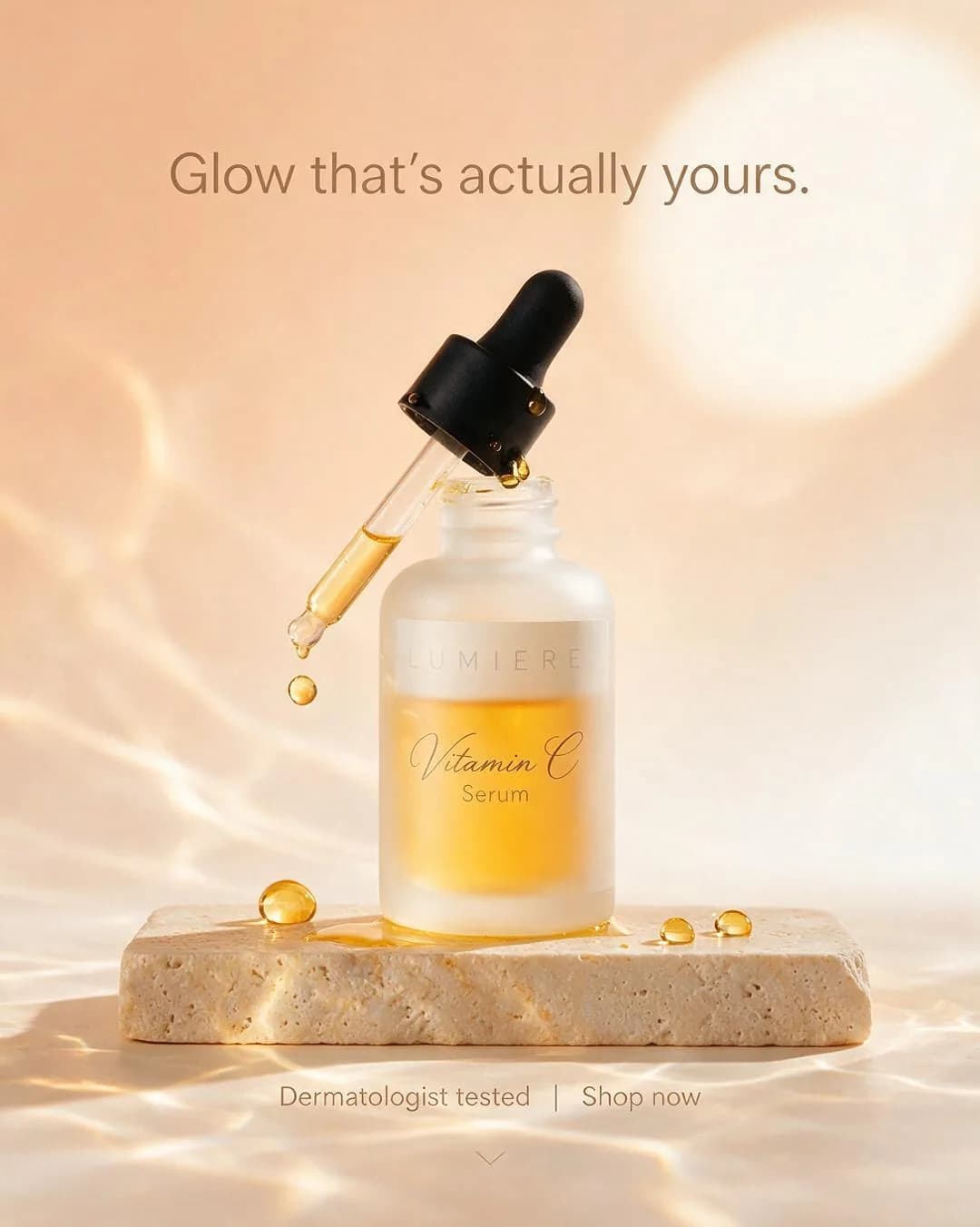
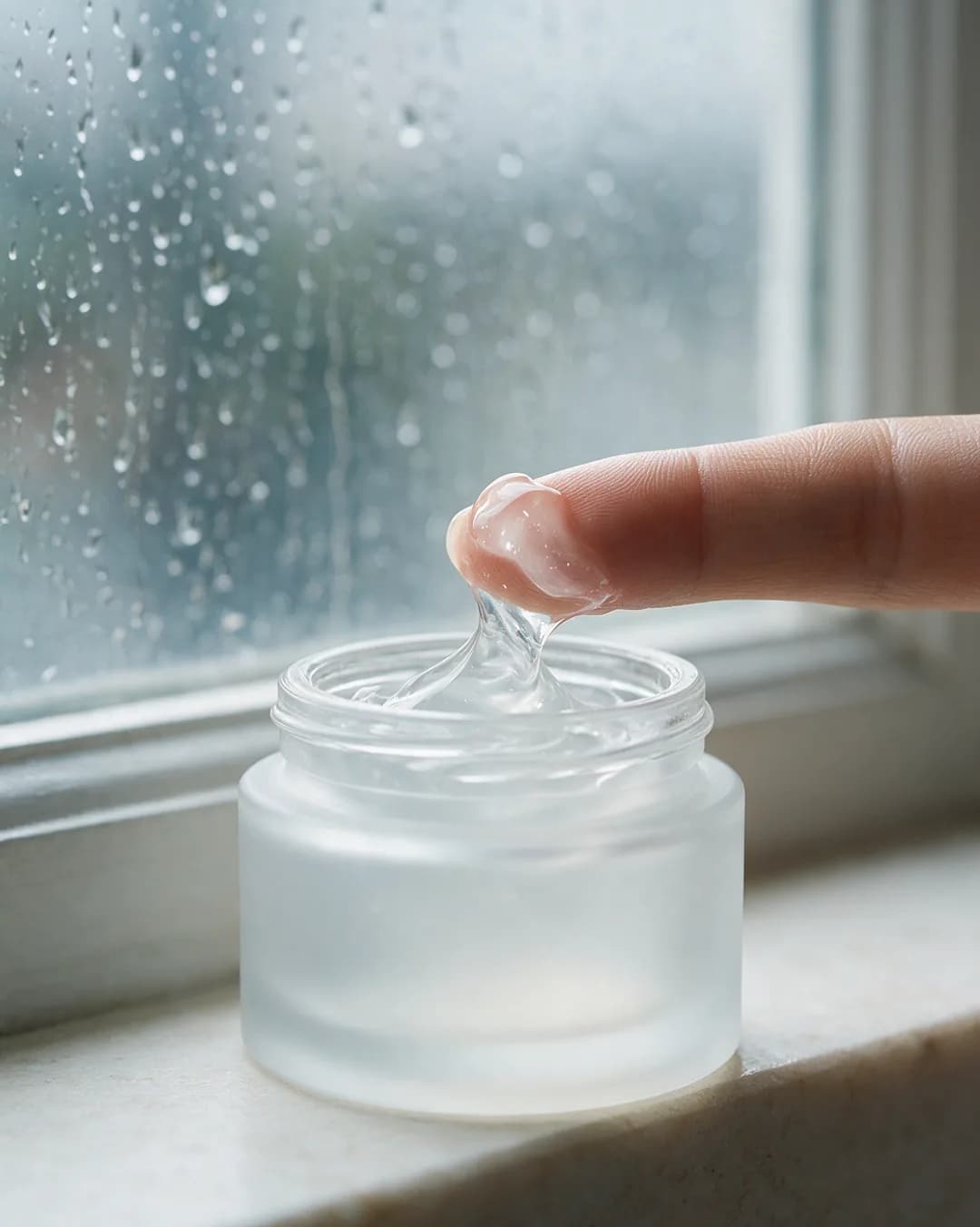
Skincare is bought on belief. People can't touch the product through a screen, so the ad has to show what it feels like, where it fits in a routine and why it should work. The strongest creative makes the invisible visible: a serum spreading, a gel-cream melting in, a sunscreen finishing clear on real skin in real light.
It's also a crowded category that tires fast. Buyers compare you with marketplace alternatives in another tab, and an ad shown too often stops working quickly, so plan a steady flow of new concepts (see ad fatigue on Meta). The upside is repeat purchase and routine bundles, which raise order value and lifetime value.
Creative checklist
- Texture in the first second. A swatch, a drop, a scoop: the product itself, not a logo animation.
- One active, one job. Name the hero ingredient and its strength if buyers care (10% niacinamide, say), and describe what the formula is designed to do rather than guaranteeing a result.
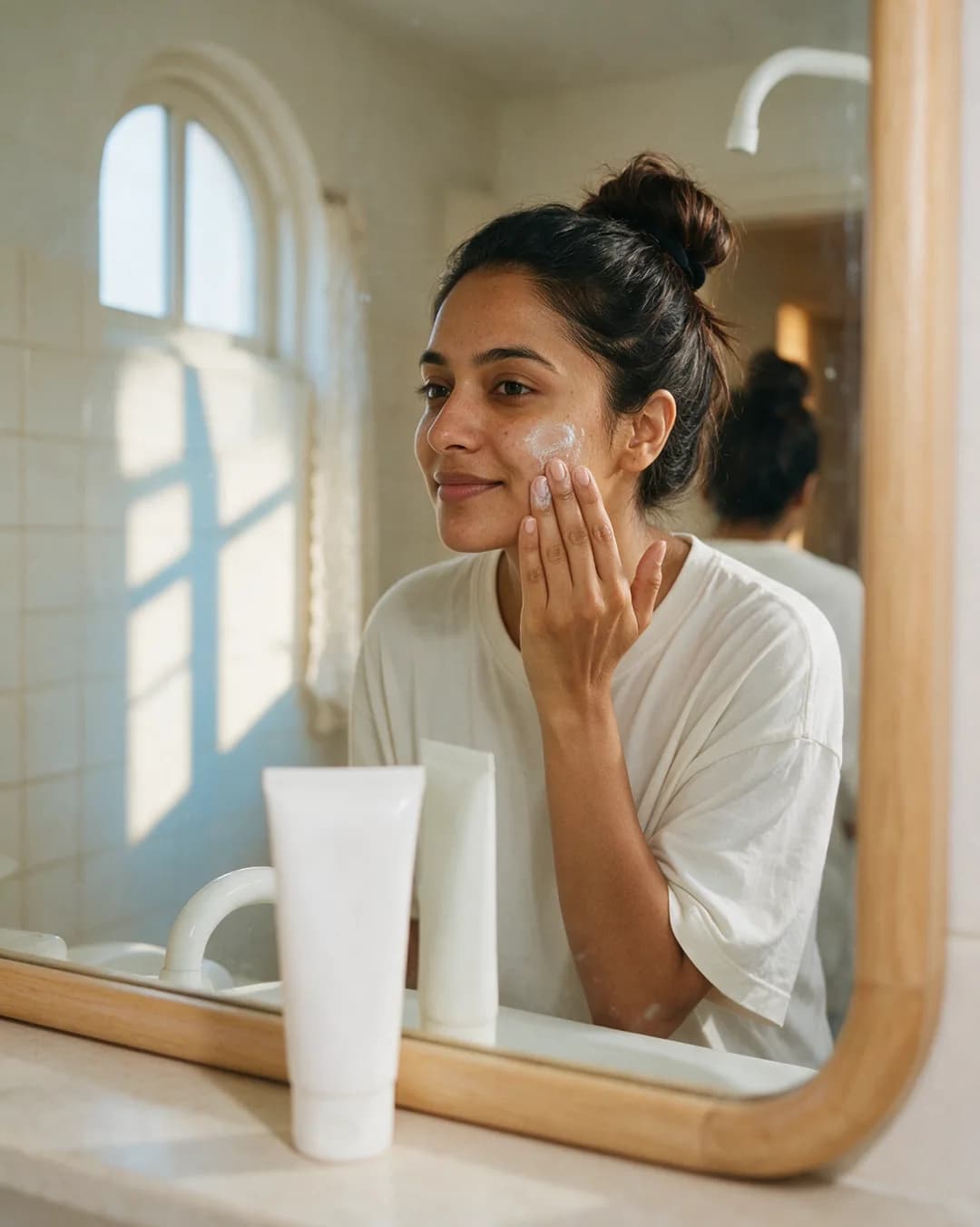
- Routine placement. "After cleansing, before sunscreen" answers the question new buyers are silently asking.
- Real skin. Pores and texture visible, light retouching at most. Heavy smoothing makes results look unlikely.
- Climate and context. Humid coastal summers, dry North Indian winters, long commutes in the sun: context makes an ad feel written for someone.
- Proof you can document. Dermatologist-tested, fragrance-free, pH-balanced: only what your formulation data supports.
Creator videos and UGC ads suit Reels and Stories. Tag paid partnerships with Meta's branded content tool and disclose them as ASCI requires.
Targeting and audiences
Broad targeting with Advantage+ audience works when the creative is specific: an oil-control gel and a barrier cream attract different people without any interest stacking. Add past purchasers, engaged followers and skincare interests as audience suggestions to guide early delivery.
- Retargeting: product viewers and cart abandoners, shown the texture video or the routine bundle rather than the same ad again.
- Lookalikes: seed from repeat purchasers once you have enough of them, and use them as suggestions, not fences.
- Age: Meta exempts non-permanent cosmetics such as creams, make-up and hair products from its 18+ rule, but cosmetic procedures, products marketed for health and before-and-after transformation ads need 18+ targeting.
Offers and landing pages
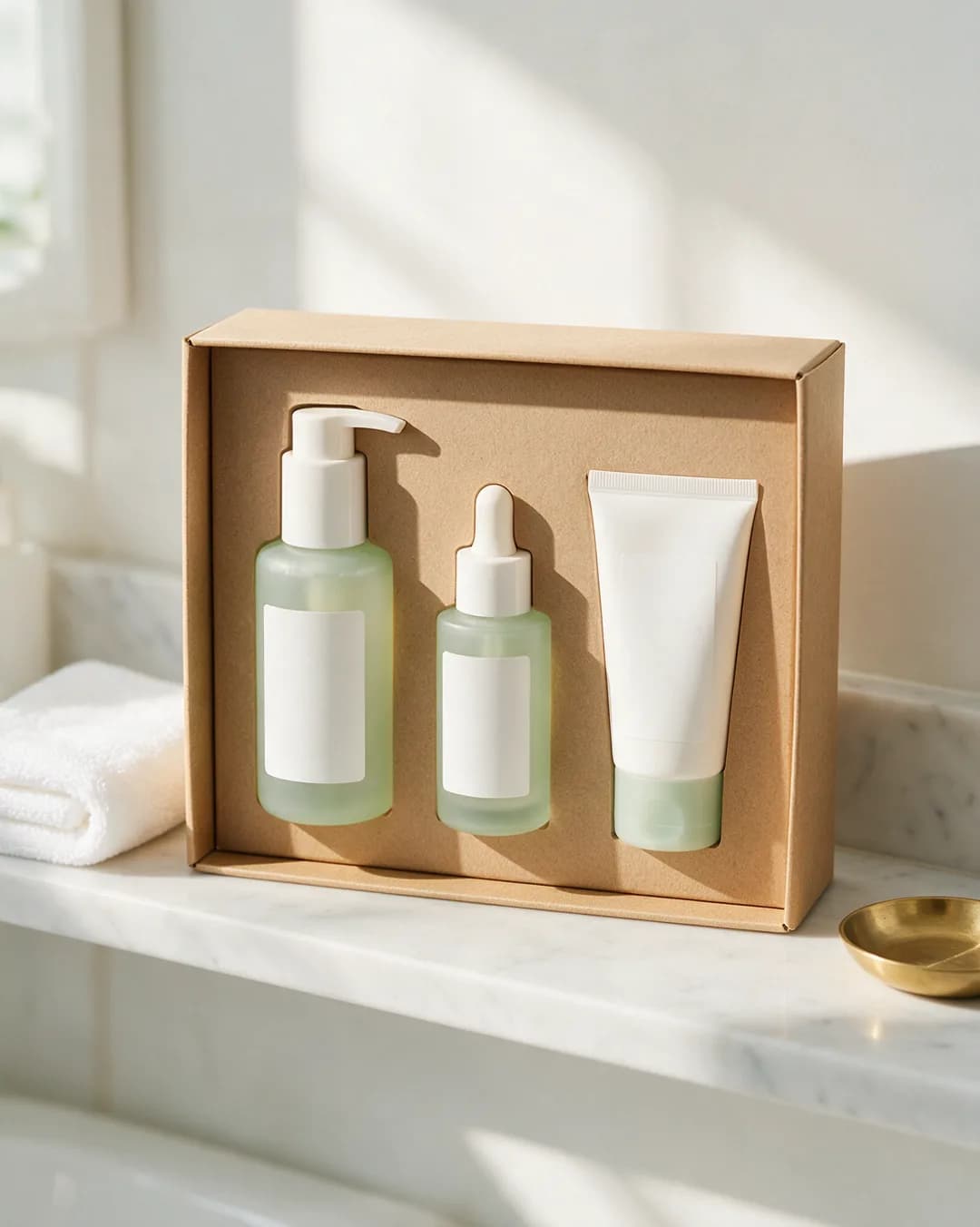
Minis and trial sizes lower the risk of a first purchase. Routine bundles (cleanse, treat, protect) raise order value. A free gift above a threshold often protects margin better than a sitewide discount. For COD orders in India, confirm before dispatch and consider a small prepaid incentive to cut RTO.
The product page should repeat the ad's promise and visual, list every ingredient, explain how to use the product, suggest a patch test and say which skin types it suits. Keep reviews genuine: never edit or invent them.
Compliance to watch
Skincare sits close to Meta's Health and Wellness rules, which change from time to time, so read the current Advertising Standards before you brief a shoot.
- Personal attributes. One of Meta's own examples of a line it won't allow is "Ready to upgrade your skin to look younger?", because it implies the viewer's age. "A retinol night cream for fine lines" describes the product instead.
- Before-and-after. Meta's policy allows before-and-after transformation for general cosmetic products in ads targeted at people 18 and over, and bans statements that attack someone's appearance. Keep lighting, angle and editing identical in both frames.
- Skin lightening. Meta doesn't allow ads for whitening or bleaching products that permanently change skin colour, and ASCI's guidelines in India bar showing darker skin as less attractive.
- Evidence. "Clinically proven" or "dermatologist recommended" needs proof you could produce on request.
Metrics to watch
Use the break-even ROAS calculator before judging any test.
Example: an ₹899 serum (about $9) with ₹190 product cost, ₹70 shipping and ₹35 fees contributes ₹604, so break-even ROAS is 899 ÷ 604 = 1.49. Sell it inside a ₹2,199 three-step routine (₹520 product cost, ₹80 shipping, ₹75 fees) and contribution rises to ₹1,524. Break-even ROAS barely moves (1.44), but you can afford a CPA more than twice as high.
In the account, watch hook rate and hold rate on video, CTR on statics, product-page conversion rate and frequency on retargeting. Rising frequency with falling CTR is the classic sign that a creative needs replacing.
How Fly ROAS helps
Fly ROAS turns your website into a Brand DNA (colours, fonts, products, proof points), decodes long-running skincare ads in the Meta Ad Library into recipes you can adapt, and builds new ads from your real product photos, with a pre-flight check that flags any ad where labels or shades drift. Autopilot tests them in 48-hour rounds inside your caps, and the default "Ask me first" mode means nothing goes live without your approval. Start your test flight.
Frequently asked questions
Are before-and-after photos allowed in Facebook skincare ads?
Meta's current Health and Wellness policy allows before-and-after transformation for general cosmetic products only in ads targeted at people 18 and over, and it bans statements that attack someone's appearance. Keep lighting, angle and editing identical in both images so the result isn't misleading. Because this policy changes, check Meta's Advertising Standards before you plan a campaign around it.
What type of Facebook ads work best for skincare brands?
Ads that make the product tangible tend to work: texture close-ups, application demos, routine explainers and creator videos filmed on real skin. Static images still earn their place for launches, offers and bundles. Test distinct angles rather than small tweaks of one ad, and let cost per purchase decide.
How much should a skincare brand spend on Meta ads?
Budget from your unit economics. Work out your break-even CPA, then give each creative test enough to reach a few purchases: at a ₹600 break-even CPA, three purchases means roughly ₹1,800 per test. Scale the tests that beat your target and keep a steady budget for new concepts, since skincare creative tires quickly.
Why was my skincare ad rejected by Meta?
Common reasons are copy that implies the viewer's age or skin condition, before-and-after images shown to people under 18, skin-lightening claims, and landing pages that make stronger claims than the ad. Fix the specific issue named in the rejection, then request another review in Account Quality if you think the decision was wrong.