What makes Meta ads work for coffee brands
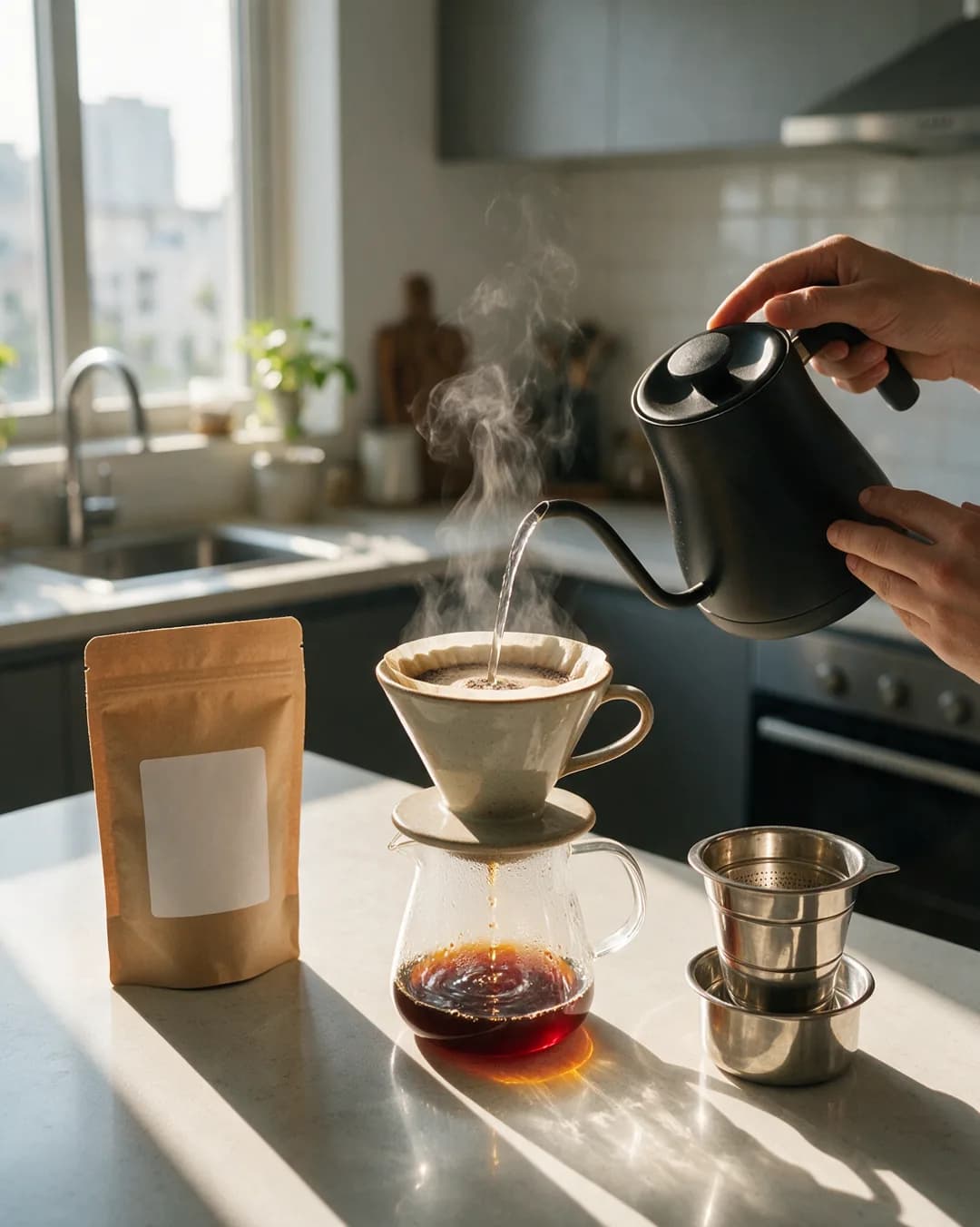
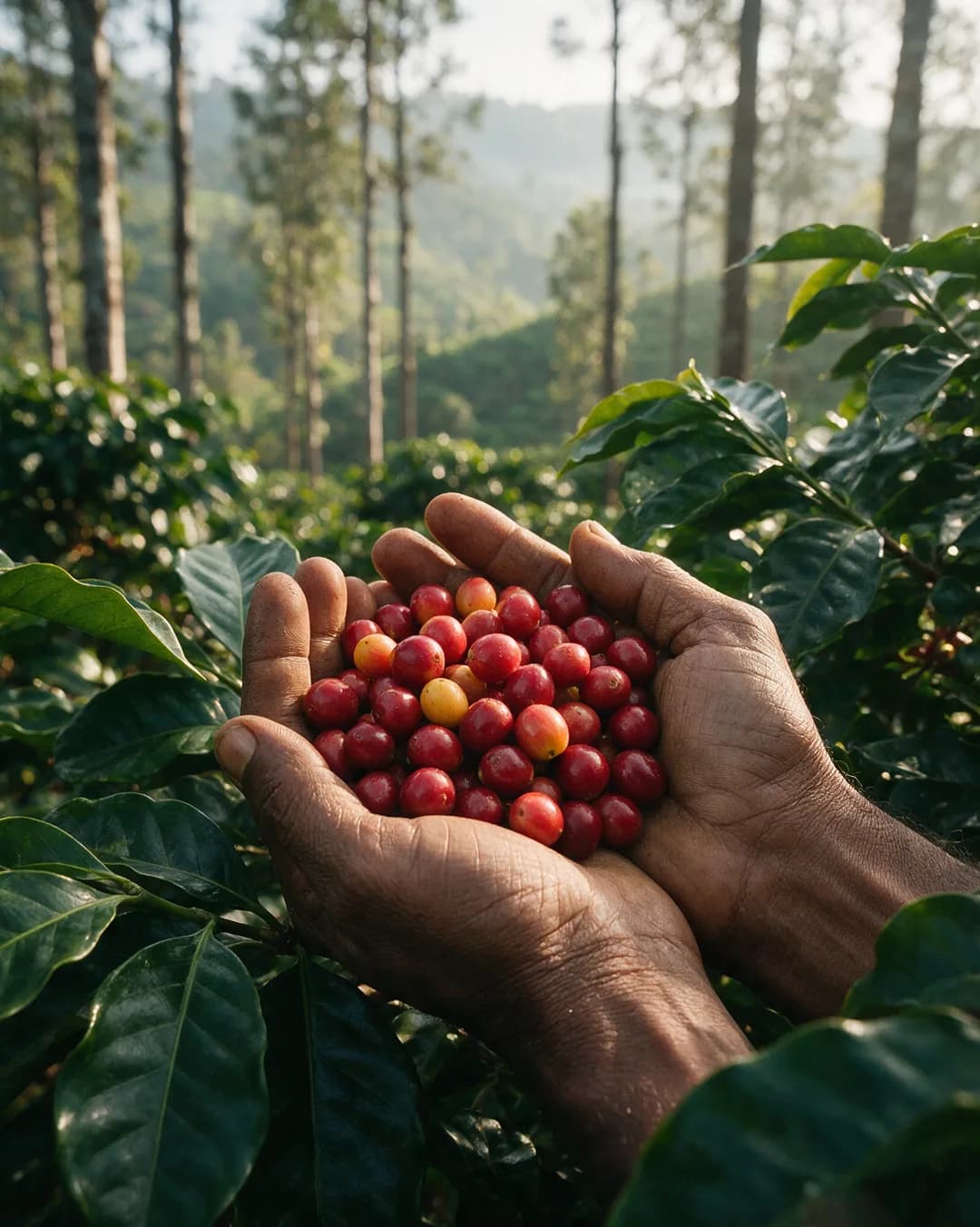
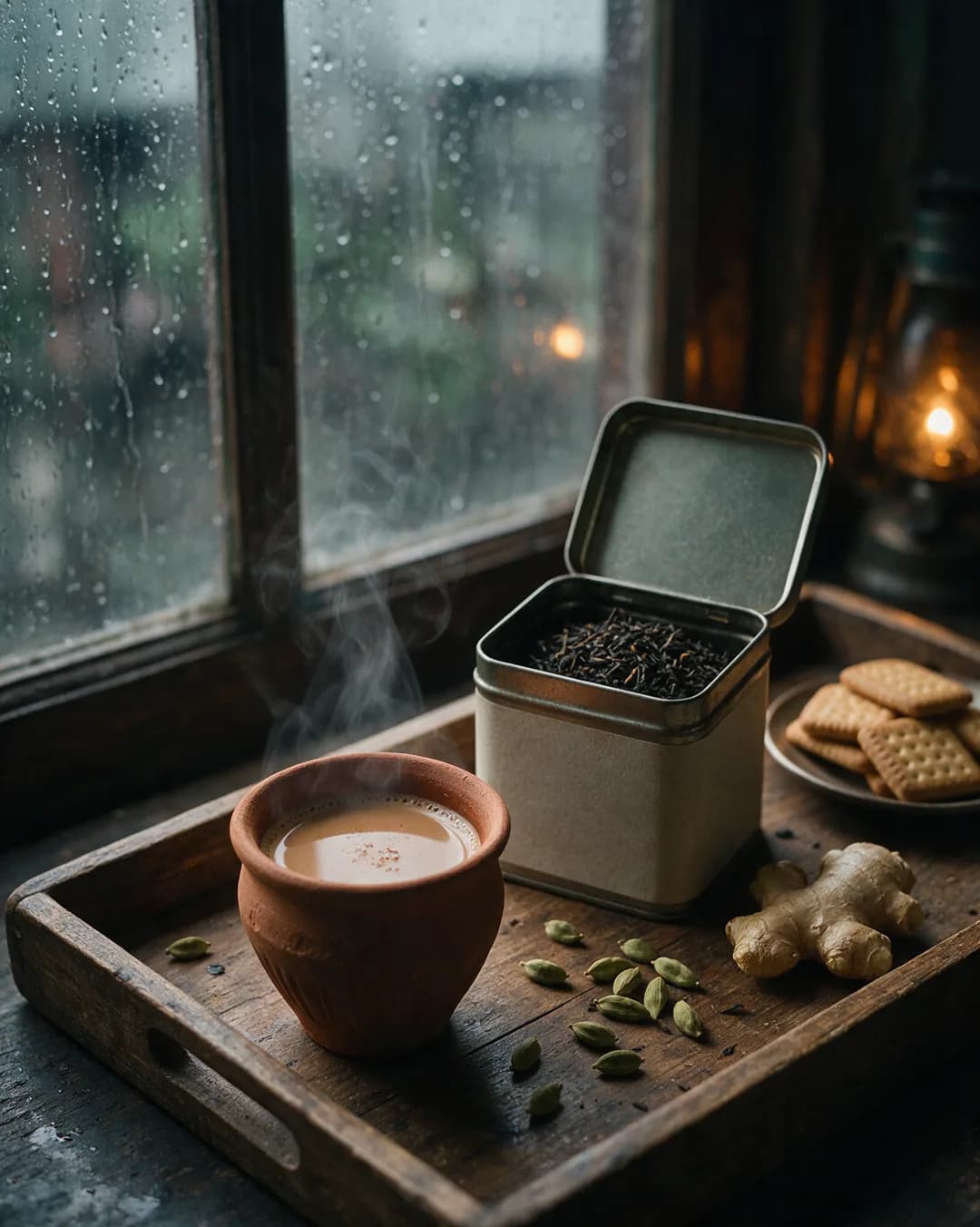
Coffee and tea are rituals, and rituals are visual: the bloom of a pour-over, steam curling off a kulhad, the first turn of a grinder. Ads that capture the ritual stop the scroll. A bag on a white background mostly doesn't. The second job is reassurance: freshness, origin, and whether the product works with the buyer's setup at home.
These are repeat purchases, often weekly or monthly, so the business is built on subscriptions and reorders, and the first order is an acquisition cost you recover over time. India adds its own texture: South Indian filter coffee, chai culture, and a speciality scene built around estates in Karnataka, Kerala and the Araku Valley. Speak to the ritual your buyer already has.
Creative checklist
- The brew in the first second. Pour, bloom, froth or steam, with the sound on for the grinder and the pour.
- Freshness proof. Roast dates, roast-to-order promises you can keep, valve bags. For tea, harvest or flush details.
- Origin. Estate, region, altitude and processing method, only what you can verify.
- Brew-method fit. Say which grinds you offer (South Indian filter, French press, moka pot, espresso) so people know it works at home.
- Taste notes. Chocolatey, nutty, citrusy: plain descriptors help new buyers choose.
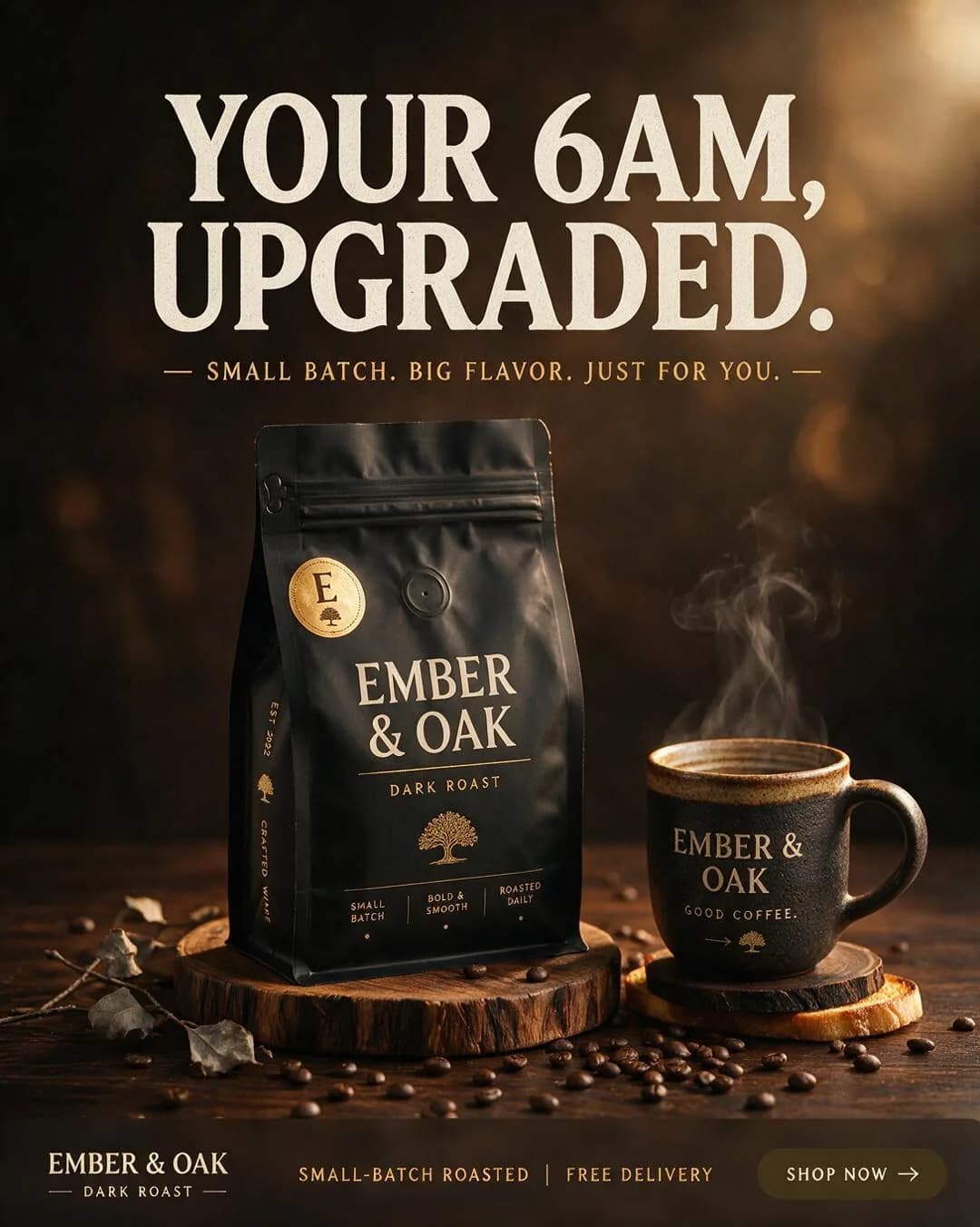
- Moments. The 6 am cup, the office flask, monsoon chai, weekend brunch: one moment per ad.
Short can work: a six-second pour loop may say enough, so test it against a longer brew guide. Creative testing explains how to compare the two fairly.
Targeting and audiences
Start broad with Advantage+ audience. Brew-method creative filters naturally, so a French press ad and a filter-coffee ad reach different people. Add coffee or tea interests, café-goers and past buyers as audience suggestions.
- Retargeting: product viewers with a sampler or a brew guide, and cart abandoners with a first-order subscription offer.
- Lookalikes: seed from subscribers who have renewed at least twice, and use them as suggestions rather than limits.
- Tea by region: strong Assam blends for milky chai and lighter Darjeeling or green teas often sell to different buyers, so match creative, language and region.
- Gifting windows: Diwali and year-end corporate gifting suit gift boxes, so start early.
Offers and landing pages
Samplers solve the "which roast?" problem and make a natural first purchase. Subscriptions with a small saving, free shipping and easy skip or pause turn a sampler buyer into a regular, and gift boxes lift order value in festive periods.
Price per cup is a useful frame. For example, a 250 g bag makes about 25 cups at 10 g each, so a ₹749 bag works out to roughly ₹30 a cup, a number worth putting in the ad.
Show your roast-date policy, grind options, brew guides and taste notes on the product page. For COD orders in India, confirm before dispatch. For low-value first orders, a prepaid incentive helps protect margin.
Compliance to watch
Coffee and tea look low-risk, but health claims creep in fast. Check Meta's Advertising Standards and FSSAI's rules:
- Health claims. "Detox", "burns fat", "boosts metabolism" or "immunity" claims for green tea, herbal blends or functional coffee can breach Meta's Health and Wellness rules (anything weight-related needs 18+ targeting) and FSSAI's claims regulations.
- Personal attributes. Copy can't imply a viewer's health, so avoid lines like "Always exhausted?" and describe the product instead.
- Organic and origin. Organic claims in India require certification, and single-origin or estate claims should be traceable.
- Alcohol. Coffee cocktails, liqueur recipes or Irish coffee content bring in Meta's alcohol policy (local law, never under 18), and alcohol advertising is heavily restricted in India.
Metrics to watch
Set targets with the CPA calculator, then look at subscription economics.
Example: a ₹749 bag of 250 g (about $8) with ₹260 product cost, ₹70 shipping and ₹25 fees contributes ₹394 per order, a break-even ROAS of 1.90. If your retention data shows subscribers take six deliveries on average, each is worth about ₹2,364 in contribution, and the real question becomes how many first orders turn into subscriptions.
Also track average order value, sampler-to-subscription conversion, churn by month, and frequency on retargeting.
How Fly ROAS helps
Fly ROAS builds ads from your real bag and tin photos, flags any where the label drifts, and places them into brewing scenes, gift tables or monsoon mornings. Competitor radar decodes long-running coffee and tea ads in the Meta Ad Library into recipes, and Autopilot runs 48-hour tests inside your caps. Selling snacks or other packaged food too? See the food and beverage playbook, or start your test flight.
Frequently asked questions
How do I advertise my coffee brand on Facebook and Instagram?
Lead with the ritual: brewing, pouring and the moment the cup fits into someone's day, filmed in real kitchens. Pair Reels with feed images for samplers and offers, and retarget product viewers with brew guides and subscription offers. Let broad targeting find buyers while the creative signals who it's for.
Do Facebook ads work for coffee subscriptions?
They can, because a subscriber's value builds over months. The key is to judge acquisition cost against what a subscriber is actually worth after cancellations, not just the first box. Make pausing and skipping easy, and test a sampler-to-subscription path.
What makes a good coffee ad?
Coffee being made or poured in the first second, one specific reason to believe (roast date, origin or grind options) and an easy first purchase such as a sampler. Sound helps in Reels: the grinder, the pour, the hiss of steam. Keep taste and origin claims true and avoid health claims.
Can tea brands make health claims in their ads?
Only substantiated claims that local rules allow, and Meta rejects clickbait-style health promises. Words like "detox", "weight loss" or "boosts immunity" commonly cause rejections or regulatory trouble, and anything weight-related needs 18+ targeting. Talk about taste, origin, ingredients and the ritual instead.