What makes Meta ads work for food brands
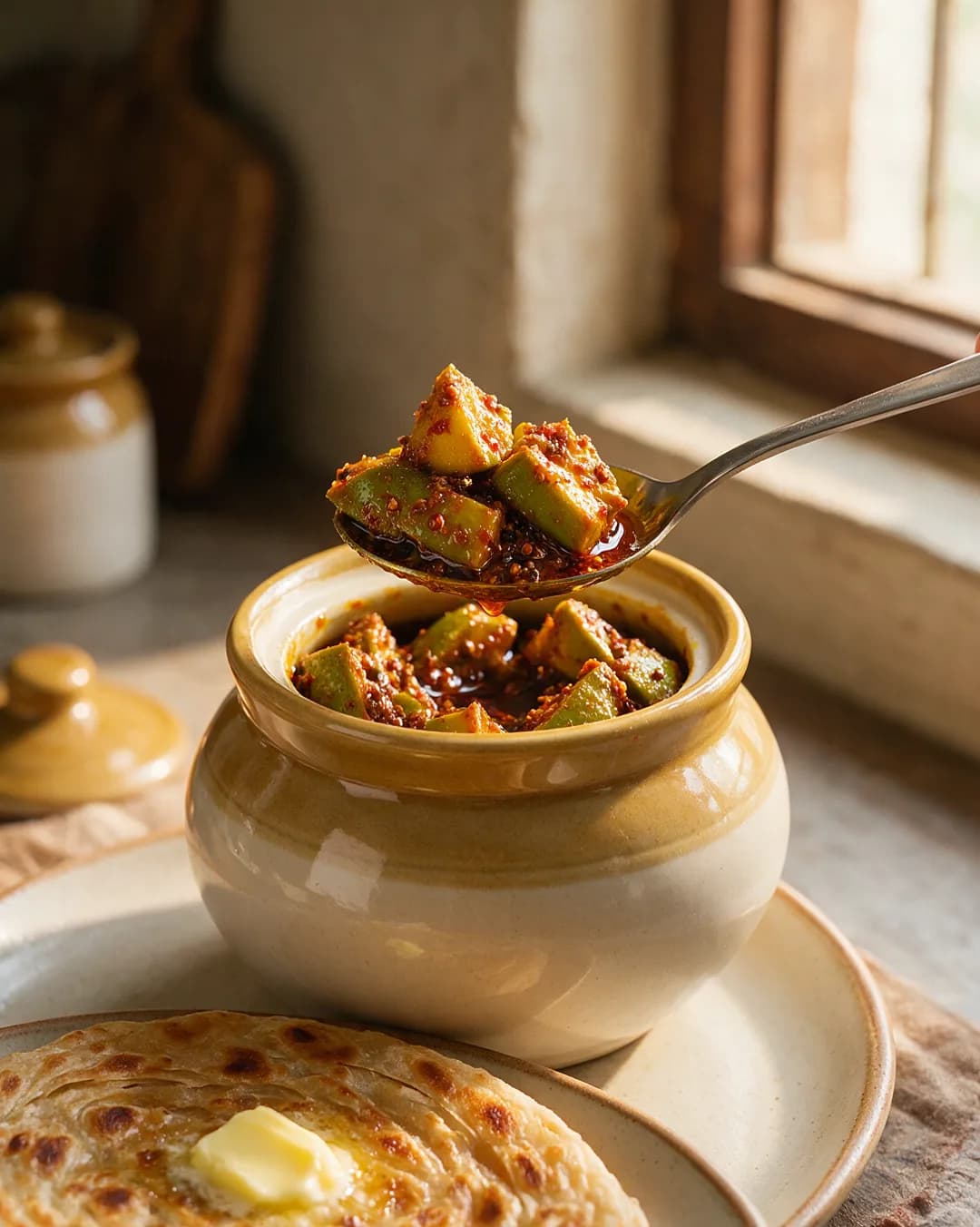
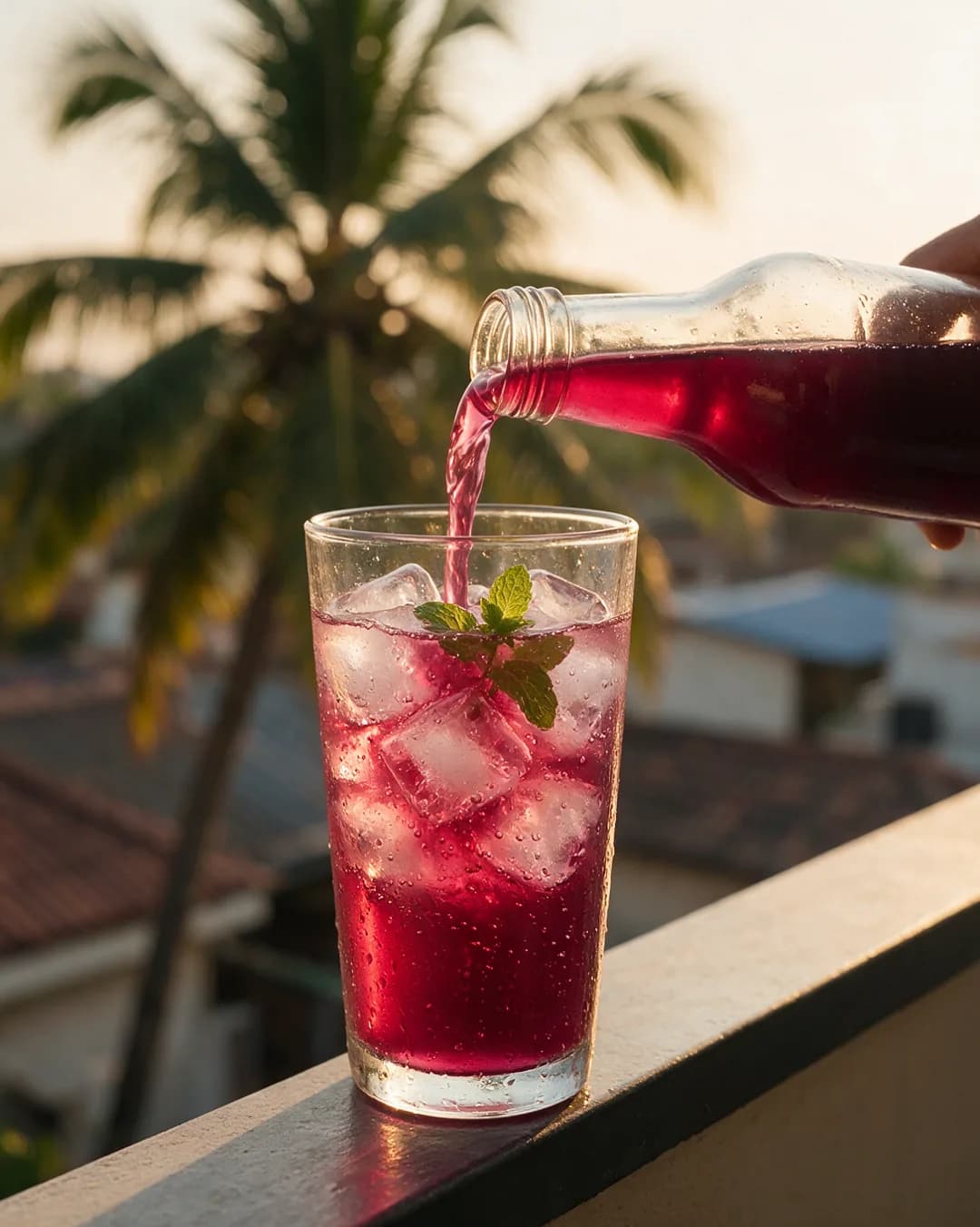
Food is judged in a second, by appetite. The ads that work lead with the food itself (a pour, a crunch, rising steam, a drizzle of ghee) and show the pack second. For packaged food and drink, the harder problem is economics: low prices, relatively heavy shipping and a crowded shelf on marketplaces and quick-commerce apps mean a single-item order rarely pays for its own acquisition.
So the winning plays are about order value and repeat purchase: bundles, samplers and subscriptions, backed by creative that gives people reasons to use the product more often. For perishables, delivery zones and shelf life shape targeting as much as the creative does.
Creative checklist
- Food first. Macro texture, the pour, the bite: the product in use, not a carton on a white background.
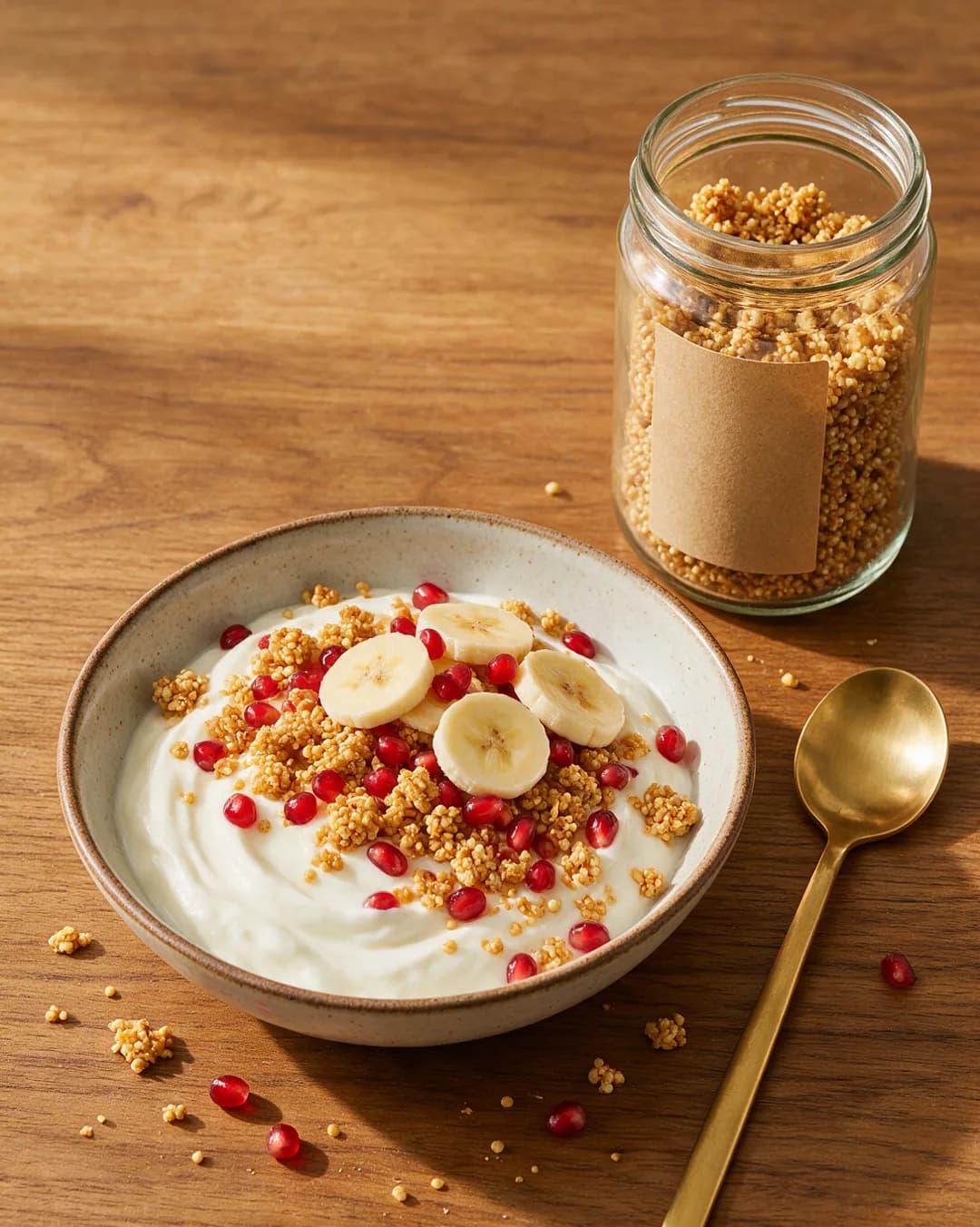
- Three ways to use it. Recipe carousels and quick Reels raise perceived value and frequency of use.
- Origin and process. Stone-ground, cold-pressed, sun-cured, small batch, and where the ingredients come from, only if you can prove it.
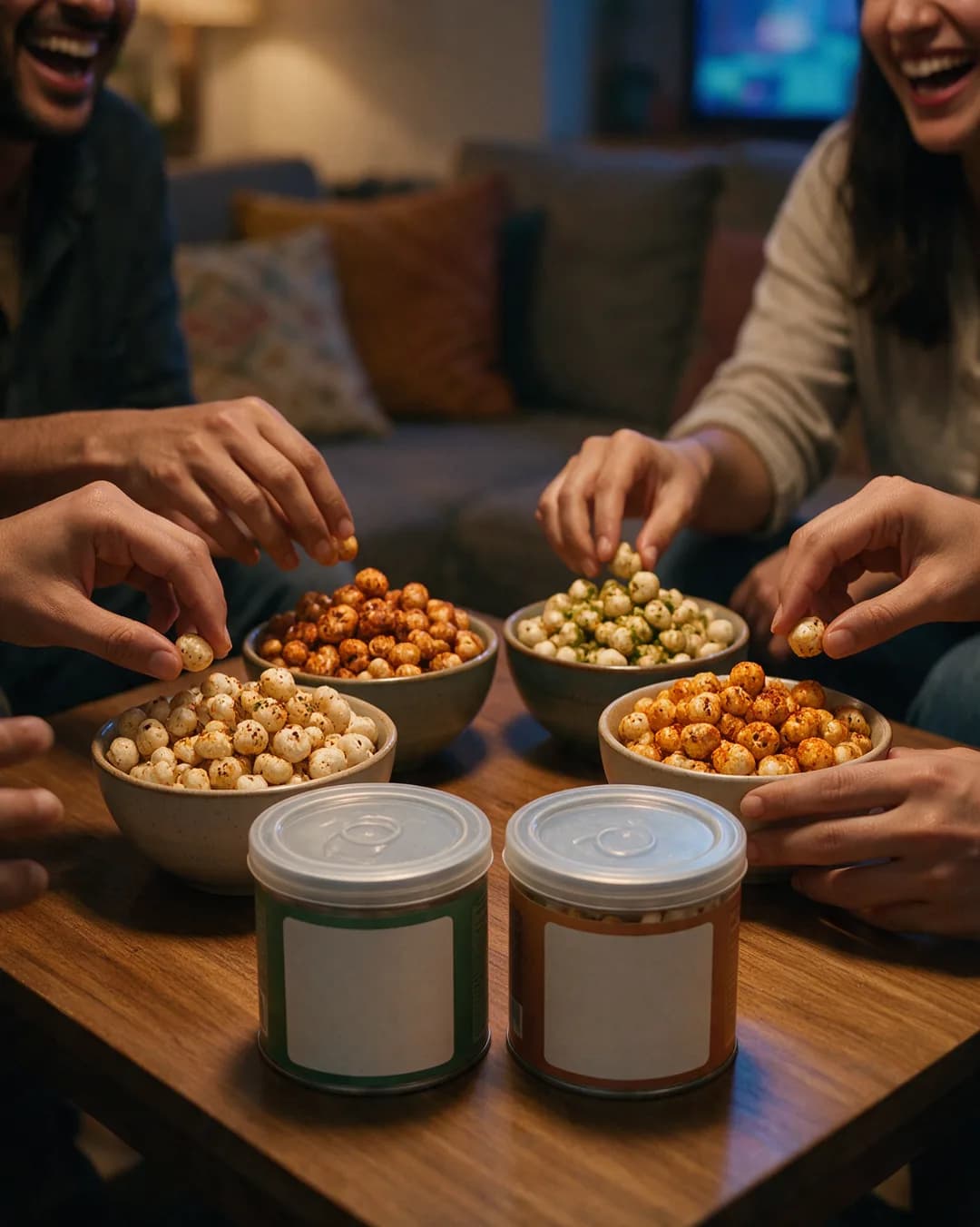
- Taste reactions. Real people trying it for the first time. Honest reactions beat a polished voiceover.
- Occasions. Breakfast, tiffin, match nights, festive boxes, travel snacks: one occasion per ad.
- Pack size and price. Say what's in the box and what it costs, so every click is qualified.
Sound sells food video (the sizzle, the crunch, the fizz), but design for sound-off viewing too, with captions.
Targeting and audiences
Start broad with Advantage+ audience. Food creative is its own targeting: a Kerala banana chips ad and a millet granola ad attract different people. Use regional language and regional taste as creative variables, not just location settings.
- Delivery zone first. If you ship perishables only to certain cities or pin codes, restrict location targeting to match and say so in the ad.
- Retargeting: product viewers and cart abandoners with a sampler or bundle, and past buyers with reorder reminders timed to how long a pack lasts.
- Lookalikes: seed from repeat buyers and add them as suggestions within broad targeting.
Offers and landing pages
Build order value into the offer: trial boxes with three or four flavours, family packs, "any three for" pricing, and a free-shipping threshold set just above your most common basket. Subscriptions suit staples such as ghee, oils, snacks and granola.
COD on low-value food orders is often unprofitable once RTO is counted, so many brands set a minimum order value for COD or nudge prepaid. The landing page should show shelf life, ingredients, nutrition information, storage, delivery time by area and the same hero image as the ad.
Compliance to watch
Read Meta's Advertising Standards alongside Indian food law.
- FSSAI claims rules. The Food Safety and Standards (Advertising and Claims) Regulations set conditions for nutrition and health claims and for words such as "natural", "fresh" and "pure". Check before any of them goes in a headline.
- Organic. Organic claims in India require certification.
- Personal attributes. "Diabetic? Try our sugar-free cookies" implies a health condition. "Cookies sweetened only with dates" describes the product. Any "sugar-free" claim must also meet FSSAI's conditions.
- Alcohol. Ads that promote or reference alcohol, including cocktail recipes, fall under Meta's alcohol policy (local law, never under 18), and alcohol advertising is heavily restricted in India, so take advice first.
- Children. ASCI has specific guidelines for food and beverage advertising, including advertising aimed at children.
Metrics to watch
In food, the free-shipping threshold and bundles decide whether ads can be profitable at all. Model both with the break-even ROAS calculator and the Meta ads budget calculator.
Example: a single ₹299 jar (about $3) with ₹90 product cost, ₹70 packing and shipping and ₹12 fees leaves ₹127, so the most you can pay per sale is ₹127 (break-even ROAS 2.35). A ₹799 three-jar bundle with ₹270 product cost, ₹95 shipping and ₹32 fees leaves ₹402. The bundle gives you more than three times the room for CPA and a lower break-even ROAS of 1.99.
Track average order value, CPA on first orders, reorder rate at 30 and 60 days, and MER if you also sell on marketplaces, since Meta ads can drive sales there that Ads Manager never sees.
How Fly ROAS helps
Fly ROAS places your real pack into new, appetite-led scenes (breakfast tables, festive spreads, pours), flags any ad where the label drifts from your photo, and writes copy in 95+ languages for regional markets. Competitor radar decodes long-running food and beverage ads in the Meta Ad Library into recipes, and Autopilot tests them in 48-hour rounds inside your caps. See how it works, or read the coffee and tea playbook.
Frequently asked questions
Do Facebook ads work for food brands?
They can, especially for products with a clear taste or usage story and enough margin per order to pay for acquisition. Low-priced single items are the hardest to make profitable, so most food brands rely on bundles, samplers, subscriptions and repeat purchase. Work out your break-even CPA per order before you scale.
How do I advertise food products on Instagram?
Lead with the food itself: a close-up, a pour, a bite, or a quick recipe in Reels. Keep the pack visible but secondary, show the pack size and price, and send people to a page that matches the ad. Test different angles, such as taste, recipe ideas and occasions, rather than small variations.
What claims can food brands make in ads in India?
Claims must be truthful and substantiated, and FSSAI's advertising and claims regulations set conditions for nutrition and health claims and for words such as "natural", "fresh" and "pure". Organic claims need certification, and claims to treat or cure disease are off limits. Check the current rules and take advice on anything borderline.
Can I run Meta ads for perishable food that only delivers locally?
Yes. Limit location targeting to the cities or pin codes you can actually deliver to, and state the delivery area and time in the ad. A pin-code checker near the top of the landing page tells people outside your zone before they fill a cart.