What makes Meta ads work for fitness brands
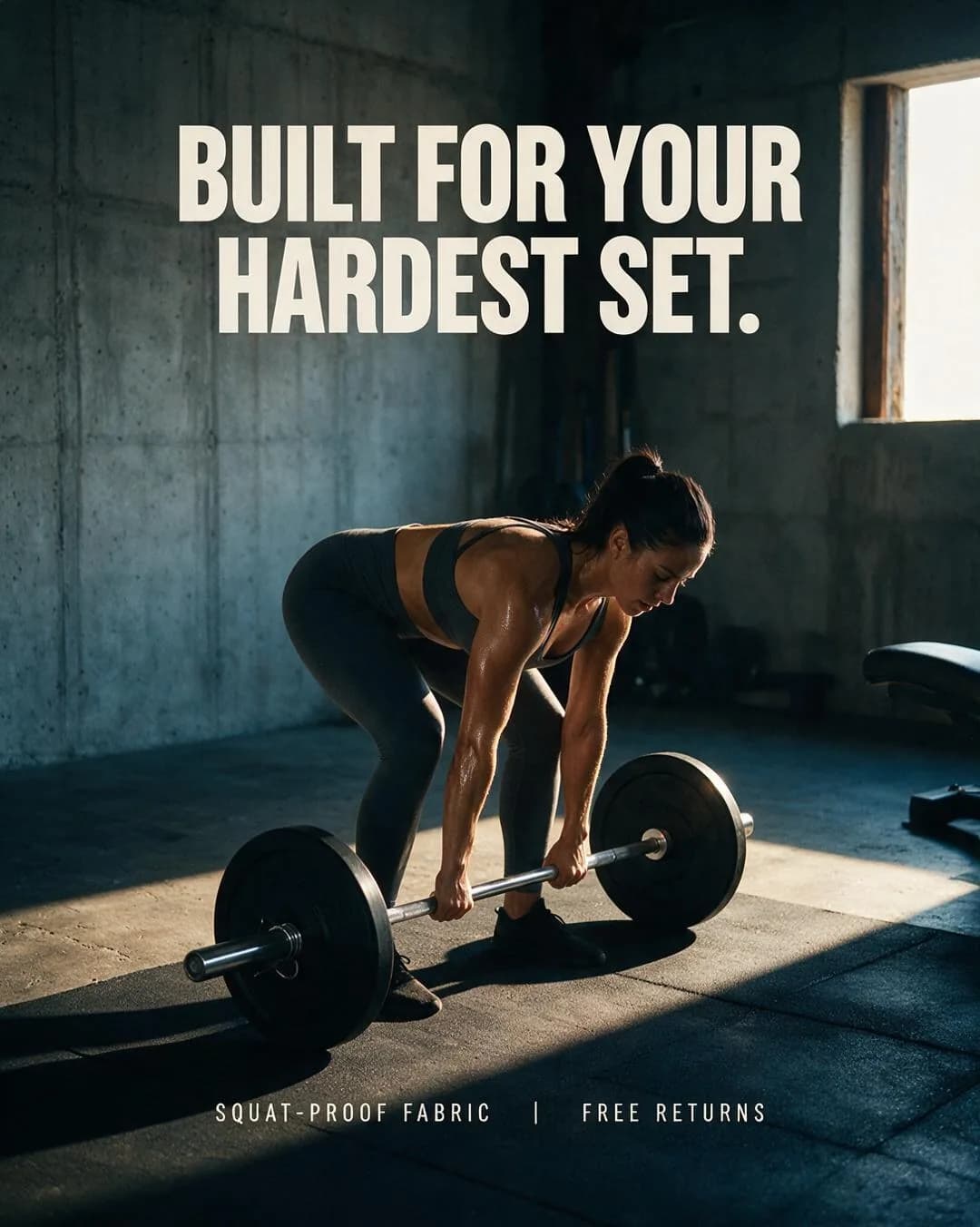
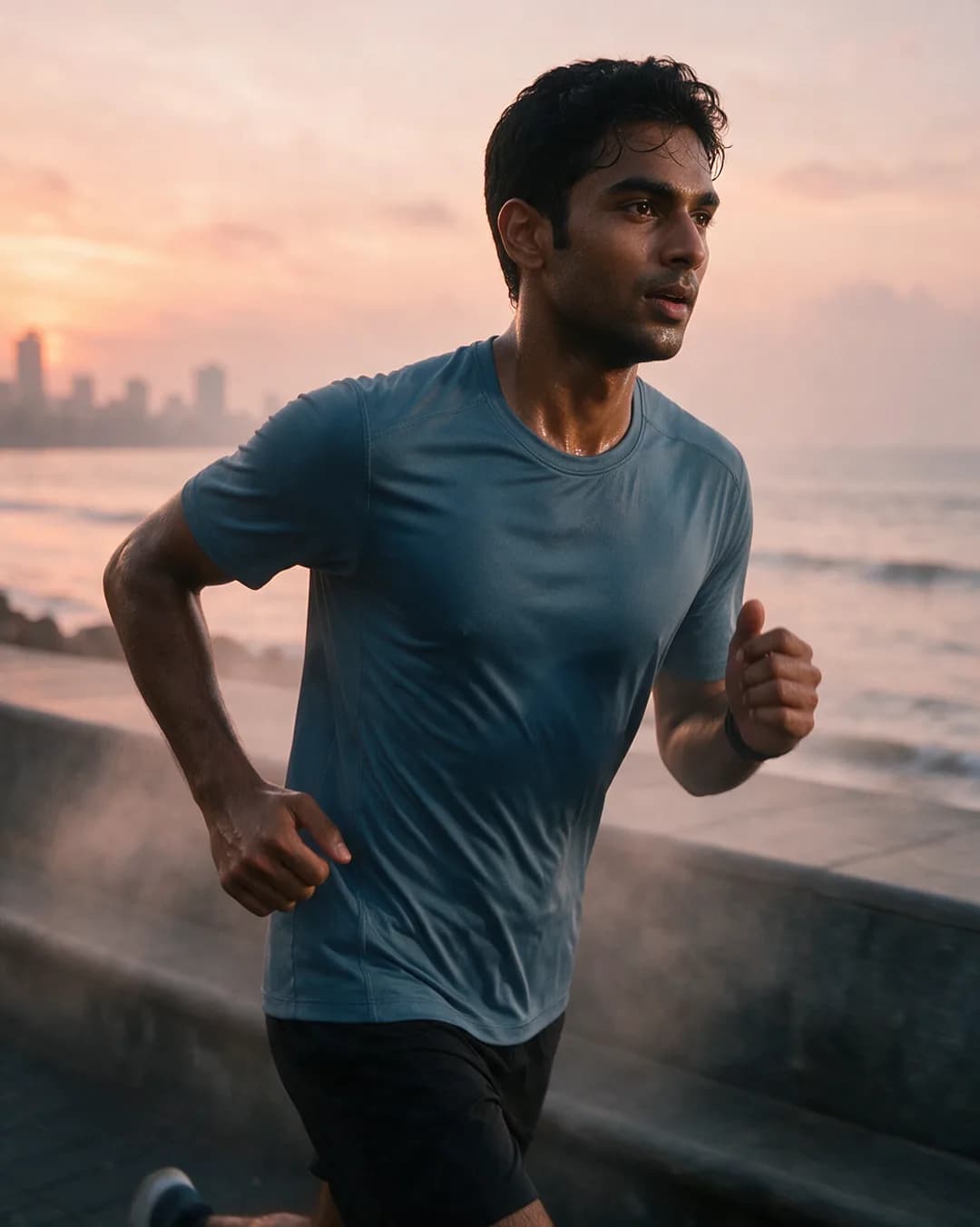
Fitness and activewear ads work when they show performance in real conditions: a squat that doesn't turn leggings see-through, a run through morning humidity, a yoga flow that needs four-way stretch. People buy kit to feel capable, so the most persuasive creative is movement, not posing.
The category also sits right next to Meta's body-image rules. Transformation stories and "get the body you want" messaging are tempting, and heavily restricted. Performance-led creative avoids most of those problems because it sells the product rather than a promise about someone's body. This page focuses on activewear, equipment and accessories. If you sell protein or supplements, read the supplements and wellness playbook too.
Creative checklist
- Movement in the first second. A lift, a stride, a stretch: the product working.
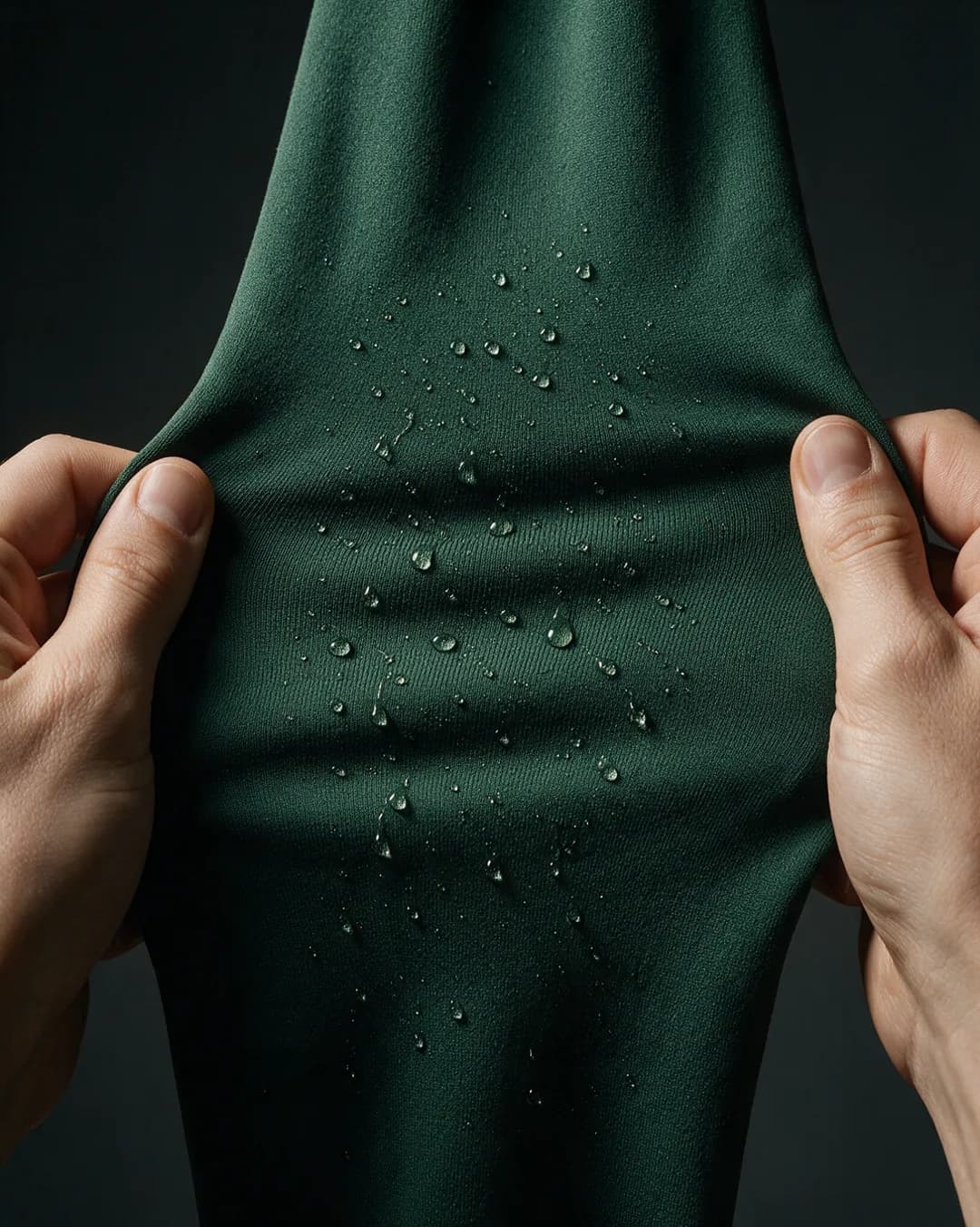
- Proof tests. Squat checks under bright light, sweat tests, stretch-and-recover demos.
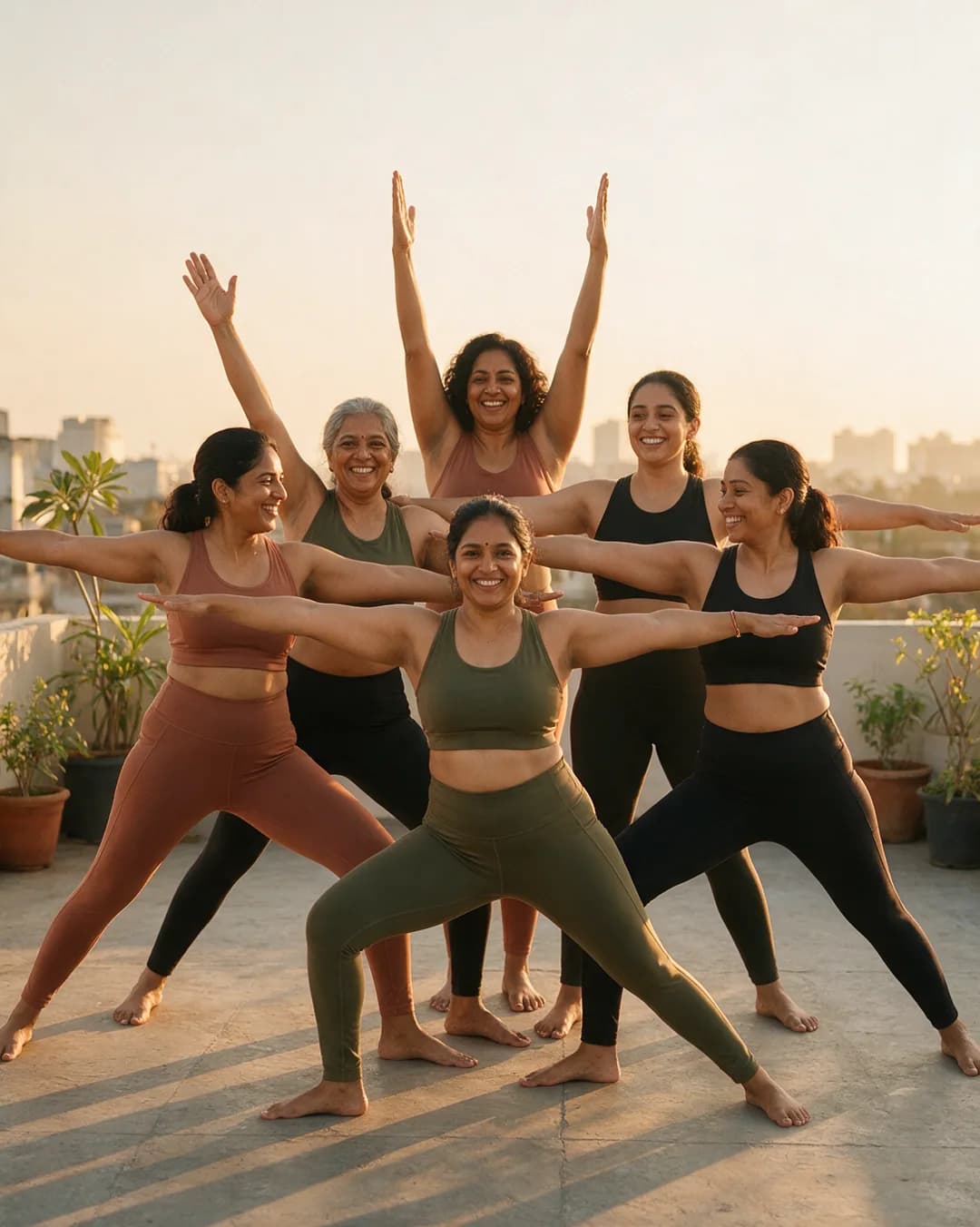
- Real bodies across sizes. Show fit on different builds and name the size each person wears.
- Climate-specific. Humid mornings, monsoon runs, cold winter starts: say what the fabric does in each.
- Where people actually train. Small apartments, terraces, parks and neighbourhood gyms, not only glossy studios.
- Coach and athlete voices. Real coaches explaining their kit choices. Tag paid partnerships with Meta's branded content tool.
A useful first test is the same product in three concepts: a squat or sweat test, a real-world run or class, and a coach explaining the fabric. Judge each on cost per purchase, not likes. For Reels, judge the opening with hook rate and the rest with hold rate.
Targeting and audiences
Start broad with Advantage+ audience and let activity-specific creative do the work: a running ad and a lifting ad find different people. Running, yoga, gym or sports interests work as audience suggestions, as do past purchasers and engaged followers.
- Retargeting: product viewers with fit content such as size guides and try-ons, and cart abandoners with an exchange-friendly offer.
- Lookalikes: seed from repeat buyers and add them as suggestions within broad targeting.
- Seasonality: new-year resolutions, marathon season and the run-up to summer bring demand spikes, so prepare creative early.
- Age: Meta exempts fitness services and equipment from its 18+ health rule, but anything about weight loss needs 18+ targeting.
Offers and landing pages
Fit is the biggest objection, so the size guide is your best offer: model height and size, measurements, and "between sizes? size up" notes. Free exchanges often beat discounts for first-time buyers, and sets or multi-packs raise order value. Show new colourways to past buyers first, from a separate retention budget, and collect early reviews before the broad launch.
For India, confirm COD orders to cut RTO and make exchanges easy, since a smooth exchange keeps a customer who would otherwise ask for a refund. The landing page should repeat the ad's proof (the squat test, the fabric demo) and list fabric composition and care.
Compliance to watch
Read the Health and Wellness and Adult Nudity and Sexual Activity sections of Meta's Advertising Standards:
- Weight loss. Ads about weight loss or gain must target 18+, can't show fat-pinching close-ups, can't claim results come from wearing a product alone, and any results shown must state the time taken.
- Statements of inferiority. Copy that attacks appearance or body parts ("Hate your belly?") is out, and it breaks the personal-attributes rule too.
- Transformation imagery. It's only allowed in specific cases and for 18+ audiences. For activewear, performance footage is the safer default.
- Body-part focus. Meta asks that images focused on individual body parts, such as the buttocks or chest, be targeted at people 18 and over. Frame the whole person where you can.
- Claims. "Burns more calories" or "improves posture" needs evidence.
Metrics to watch
Returns and exchanges shape profit in activewear, so include them when you set break-even with the break-even ROAS calculator.
Example: ₹2,299 leggings (about $24) with ₹650 product cost, ₹90 shipping and ₹70 fees contribute ₹1,489, a break-even ROAS of 1.54. If 10 in 100 are exchanged at ₹180 each in extra shipping, contribution per order drops by just ₹18, to ₹1,471. Exchanges are cheap. Refunds are not, which is why easy exchanges pay for themselves.
Track CTR, conversion rate by size, return rate by creative (some ads set the wrong expectations) and frequency on retargeting.
How Fly ROAS helps
Fly ROAS builds ads from your real product photos, flags any where colours or fabrics drift, and places them in real training scenes. Competitor radar decodes long-running activewear ads in the Meta Ad Library. Autopilot runs 48-hour tests, by default stops any test that spends twice your target CPA without a sale, and explains every decision in plain English in the Flight Log. See how Autopilot works.
Frequently asked questions
Can fitness ads show before-and-after photos on Facebook?
Only in narrow cases. Meta's Health and Wellness policy requires 18+ targeting for weight-loss content, bans fat-pinching close-ups and statements that attack appearance, and says results can't be attributed to wearing a product alone. For activewear and equipment, performance footage is the safer choice, and it's worth checking Meta's current Advertising Standards before planning transformation content.
How do activewear brands advertise on Instagram?
Most combine Reels showing the kit in motion (squats, runs, stretches) with feed images and carousels for sets and colours, plus catalogue retargeting. Coaches and creators add credibility when partnerships are tagged and disclosed. Broad targeting with activity-specific creative lets Meta find buyers without narrow interest stacks.
What is the best targeting for fitness ads?
Start broad with Advantage+ audience and let creative about a specific activity attract the right people. Add interests, past buyers or lookalikes as suggestions, retarget site visitors and video viewers, and set 18+ for anything weight-related. Keep the copy about the product, never about the viewer's body or health.
How much should an activewear brand spend on Meta ads?
Budget from your break-even CPA and the number of tests you want to run. For example, with a ₹900 break-even CPA and a goal of at least three purchases per test, each test needs around ₹2,700 or more before you judge it. Scale gradually once a winner beats your target for several days.