What makes Meta ads work for baby products
Meta ads work for baby products when they lower the risk a parent feels before buying for someone who can't complain. That means showing the real material, the product in a believable home moment, the safety standard it meets and an easy returns promise. Gift buyers are a second audience and need a different ad: clear contents, a price band and fast delivery.
Baby buyers research harder than almost any other shopper. First-time parents read labels, compare fabrics and ask friends before they commit, often on a phone late at night. They are also time-poor and tired, so the ad has to answer the obvious questions fast: what is it made of, does it fit this stage, and will it survive the washing machine?
The category splits into two economic shapes. Consumables, such as nappies, wipes, balms and bath products, are reordered on a predictable cycle and suit subscriptions. Durables, such as prams, carriers, cots and clothing, are bought once per stage and depend on creative volume and retargeting during a long research phase. Either way, babies outgrow products quickly, so your customer value comes from moving parents into the next stage with you, not from one product lasting years.
Creative checklist
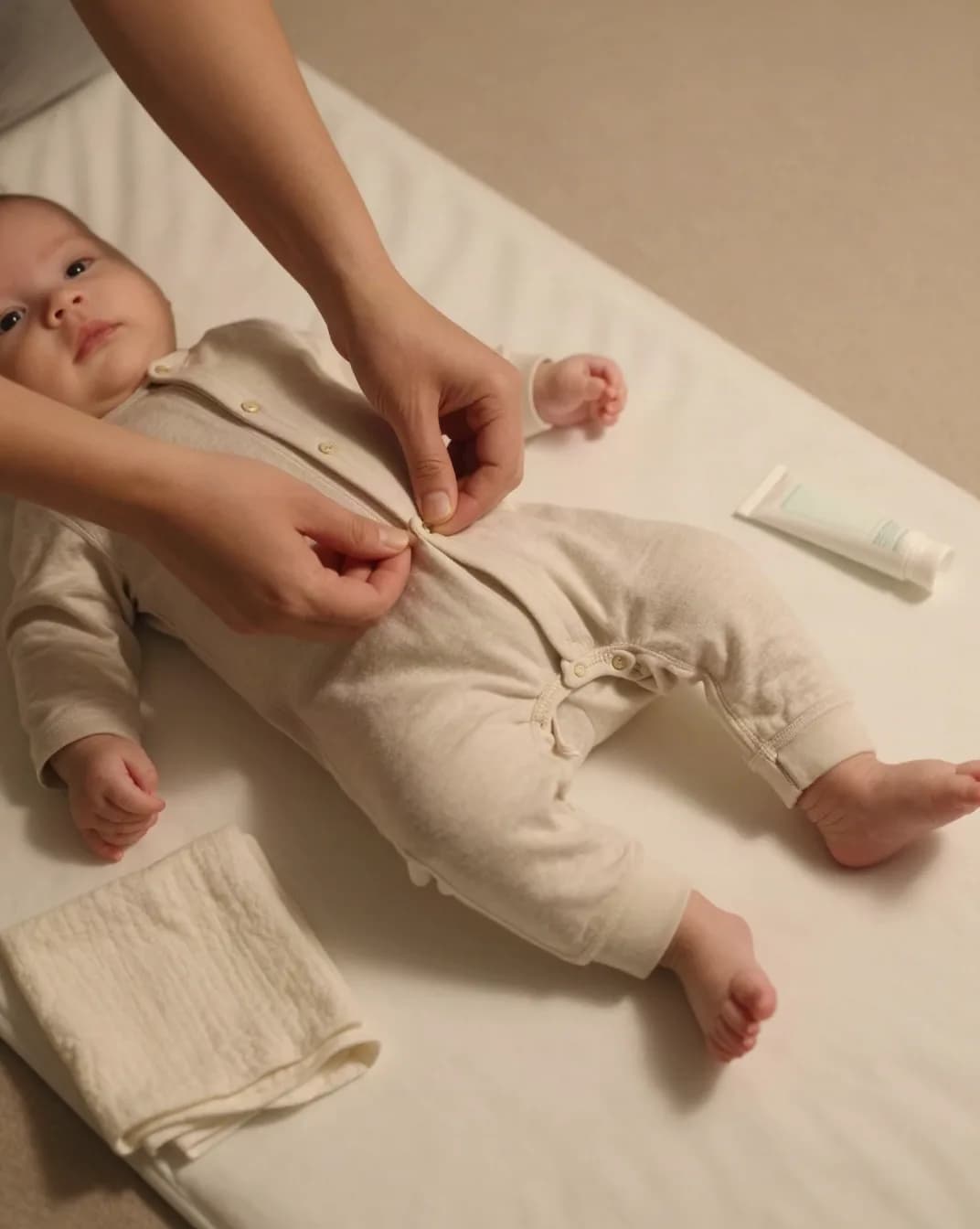
- Product in use, hands first. Parents' hands doing up snaps, folding a pram or warming a bottle show function without relying on a baby's face.
- Material close-ups. Fabric texture, stitching, a seam that won't rub, a buckle that clicks: proof you can see.
- Real homes. Slightly messy living rooms and small flats beat show-home nurseries. Viewers want to see themselves.
- Stage in the first line. "For newborns to six months" filters the right parents instantly and cuts returns.
- Safe-sleep imagery. If a baby is shown asleep, follow safe-sleep guidance from bodies such as the NHS or the American Academy of Pediatrics: on the back, in a clear cot, no pillows, bumpers or loose blankets. Ads that show otherwise draw complaints and erode trust.
- Consent for every baby on screen. Get written permission from the parents for any UGC or creator footage, and agree how long you can use it.
Parent creator content tends to suit this category well, because parents trust other parents. The UGC ads guide covers briefing and usage rights.
Targeting and audiences
Start broad with Advantage+ audience and let stage-specific creative do the filtering. A newborn sleepsuit ad and a toddler snack-cup ad will find different parents on their own. Parent-related demographic options exist in many accounts and can go in as suggestions, but Meta has trimmed sensitive targeting options over the years, so check what is available in yours rather than relying on it.
- Retargeting: product viewers and add-to-carts from the last 14 to 30 days, because durables like prams and carriers have a long research window.
- Gift buyers: run separate gift creative with broad targeting rather than trying to target grandparents by age, which narrows delivery without much benefit.
- Customers: move past buyers to the next stage with ads for the products that come next, such as a weaning set after a newborn bundle.
Offers and landing pages
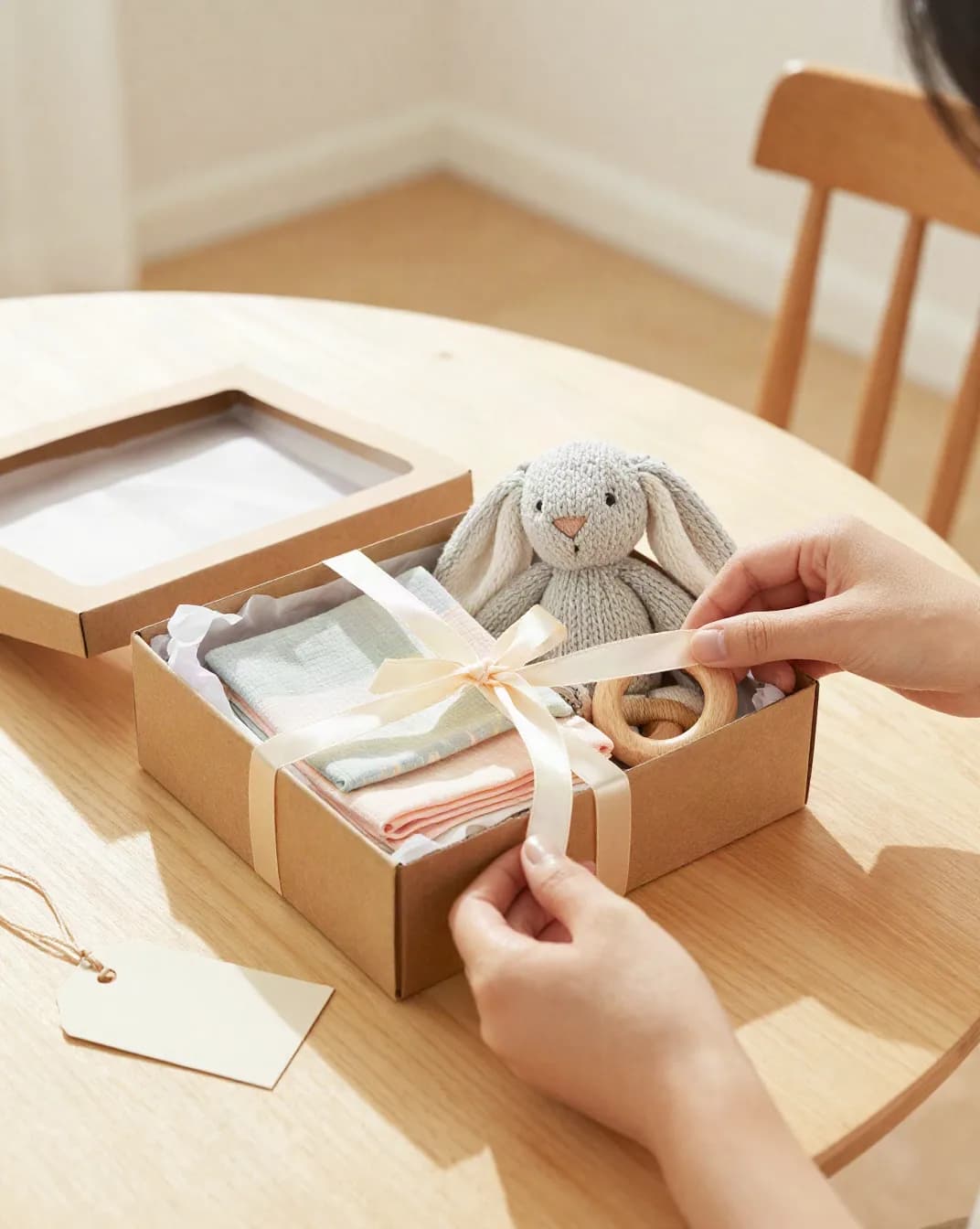
Starter bundles work well for new parents because they remove decisions: a newborn kit with sleepsuits, muslins and a balm in one box. Refill subscriptions suit consumables, as long as pausing and changing sizes is easy, since babies change size without notice. For clothing, a free size exchange removes the biggest objection.
The landing page should show the material, the certifications you hold, washing instructions, a size guide by age and weight, and the returns policy in plain words. Gift buyers need a gift-wrap option, a gift receipt and a delivery date estimate.
When should baby brands spend more?
Births happen all year, so demand from parents is steadier than in most categories. The swings come from gifting and sales: the year-end holidays, Diwali in India, Mother's Day and Father's Day, and the big sale events where parents stock up on consumables. Clothing also follows the weather, with lighter fabrics in spring and layers in autumn. Plan gift creative a few weeks before each peak so it has time to exit the learning phase.
Compliance to watch
Read Meta's Advertising Standards and the product-safety rules where you sell.
- Personal attributes. "Is your baby's eczema keeping you up?" implies a health condition. "A fragrance-free balm for dry patches" describes the product.
- Health claims. Colic relief, teething relief or eczema claims push a product towards medicine rules and need evidence. Keep copy to what the product is and how to use it.
- Safety claims. "Non-toxic", "BPA-free", "hypoallergenic" and "dermatologically tested" must be true and documented. Name the standard rather than implying one.
- Infant formula and feeding bottles. Many countries restrict this advertising, often following the WHO International Code of Marketing of Breast-milk Substitutes. The UK bans advertising infant formula, and India's IMS Act prohibits advertising infant milk substitutes, feeding bottles and infant foods. Take advice before running any feeding ad.
- Teen targeting. Ads should reach adults. Meta only uses age and location to show ads to teens, so baby products belong with adult audiences anyway.
| Instead of | Try |
|---|---|
| "Stops colic in days" | "An anti-air valve bottle, with a guide to paced feeding" |
| "100% safe for your baby" | "Rattle tested to the EN 71 toy safety standard. Certificate on the product page" (only if true) |
| "Exhausted new mum?" | "For the newborn weeks: three sleepsuits, one-handed snaps" |
Metrics to watch
Judge first orders against your own break-even with the break-even ROAS calculator, then look at what happens over the next few months.
Example: say a $48 newborn starter bundle costs $16 to make, $7 to ship and $2 in payment fees. Contribution is $23, so break-even ROAS is 48 ÷ 23 = 2.09. If your own data shows a typical buyer adds two $30 refill boxes in the next three months, each contributing $12, the three-month contribution is $47. You could pay up to $47 to acquire that customer, but only if the refills really happen, so check the LTV to CAC ratio on real cohorts.
Also watch return rate by size, average order value on gift orders, repeat rate on consumables at 30 and 60 days, and hook rate on Reels.
How Fly ROAS helps
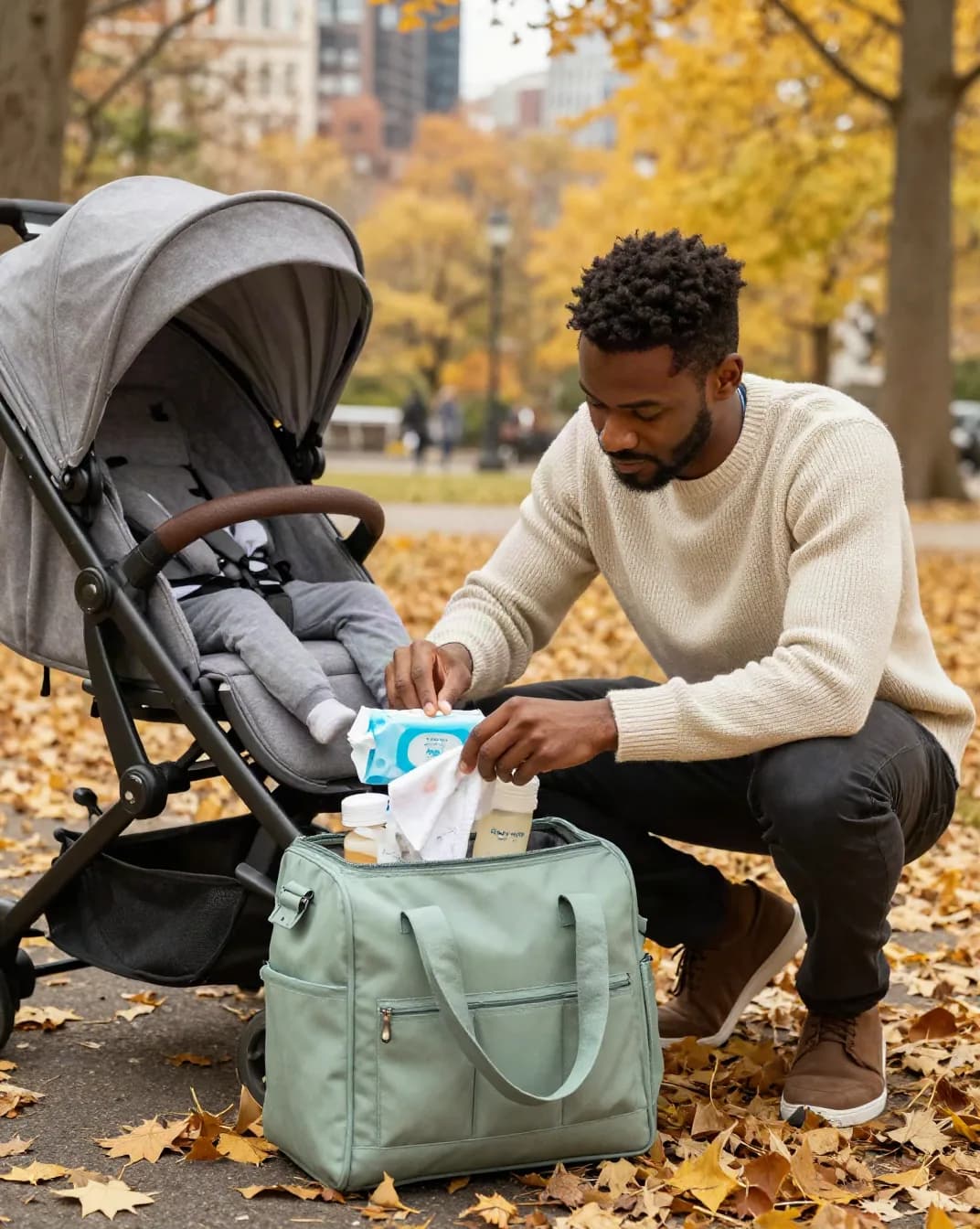
Fly ROAS reads your store into a Brand DNA, decodes long-running baby-brand ads in the Meta Ad Library into reusable recipes without copying them, and builds ads from your real product photos in scenes like a night feed or a day at the park. Launches can wait for your approval, which suits a category where every claim needs a second look. Compare the toys and games playbook for gift-led ideas.
Frequently asked questions
Can you advertise baby products on Facebook and Instagram?
Yes. Baby clothing, gear, bath and care products can be advertised as long as the ads follow Meta's Advertising Standards and local law. Avoid health and cure claims, don't imply the viewer or their baby has a condition, back every safety claim with documentation, and check local rules before advertising infant formula or feeding bottles, which many countries restrict.
Can I target expecting or new parents on Meta?
Parent-related demographic options are available in many accounts and can be used as audience suggestions, but Meta has removed some sensitive targeting options over time, so check what yours offers. In practice, broad targeting with stage-specific creative, such as "for newborns to six months", usually finds parents well because the ad itself filters who responds.
Can I show babies in my Meta ads?
Meta doesn't ban babies in ads, but get written consent from the parents for every child on screen and agree how long you can use the footage. Show safe practice, particularly for sleep, and keep the focus on the product. Hands and products in use often work just as well and avoid most consent questions.
Which baby products work best on Meta ads?
Consumables such as nappies, wipes and balms have the strongest repeat economics, and gift sets suit Meta because gift buyers respond to clear, attractive bundles. Durables like prams and carriers can work too, but they have long research windows, so plan for retargeting and judge them over a longer period.