What makes Meta ads work for haircare
Meta ads work for haircare when each ad speaks to one hair type, shown on a real person who has it, with the routine filmed honestly from product to result. Buyers have usually tried many products that didn't suit them, so specificity and proof matter more than glamour. Routine bundles and refills then turn a first order into a repeat customer.
Hair is personal and closely tied to identity. People with curly, coily, fine or colour-treated hair often feel overlooked by mainstream products, and they respond strongly when an ad shows hair like theirs. The flip side is scepticism: many buyers have a cupboard of half-used bottles. They need to see the product working on their hair type, in their kind of climate, before they trust it.
Results take time. A styling product works on the day, but a mask or a scalp routine takes weeks. Creative should be honest about that, and your measurement should look at repeat purchases, because the second bottle is where haircare profits usually come from.
Creative checklist
- The right hair, first frame. The viewer should recognise their hair type in the first second.
- Real texture. Natural light, no heavy smoothing, frizz and flyaways left in. Retouched hair undermines trust.
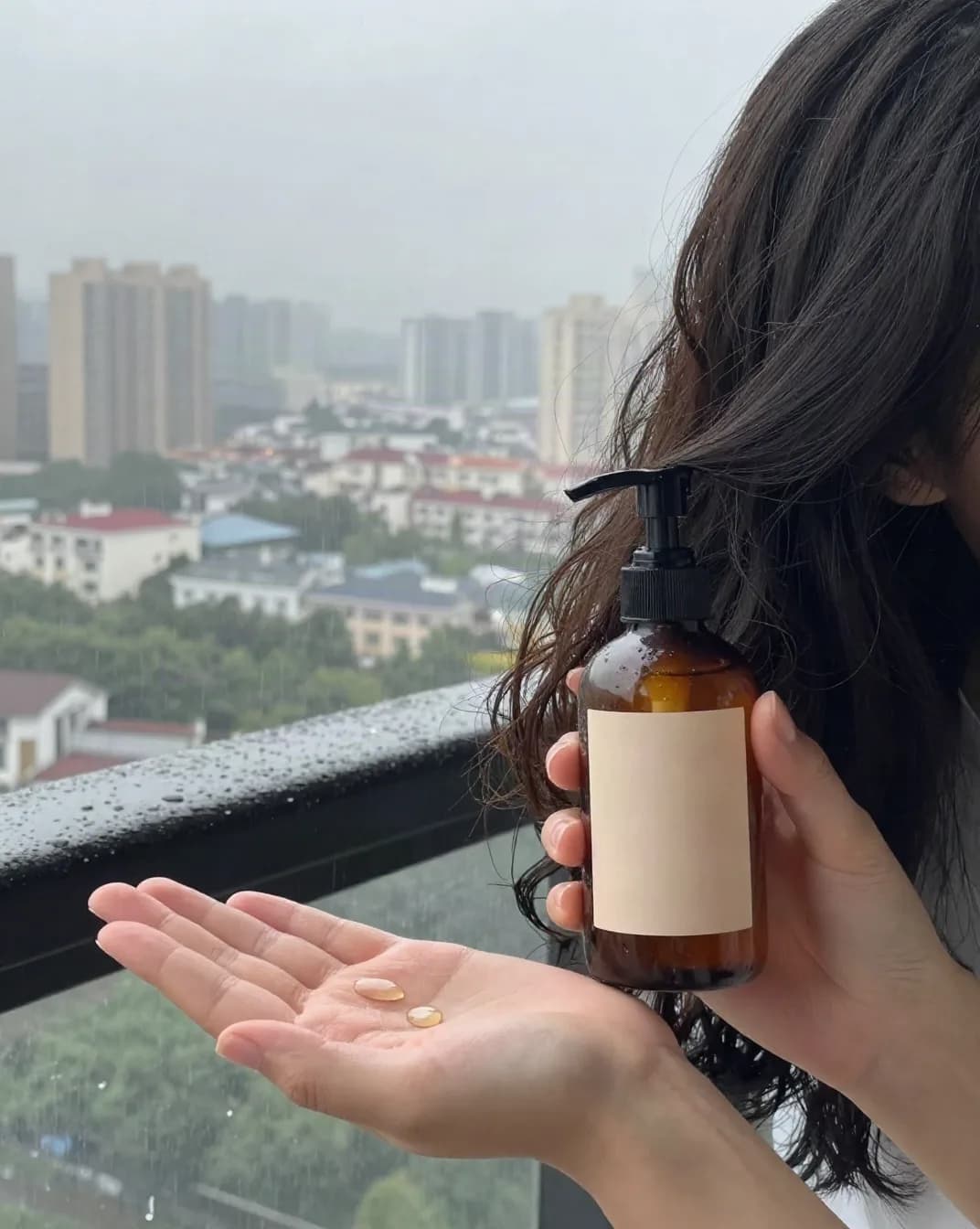
- Show the amount. A coin-sized pump, two pumps, a palmful: dosing shown on screen reduces misuse and disappointment.
- The routine, not just the bottle. Washing, applying, styling and the result, in order.
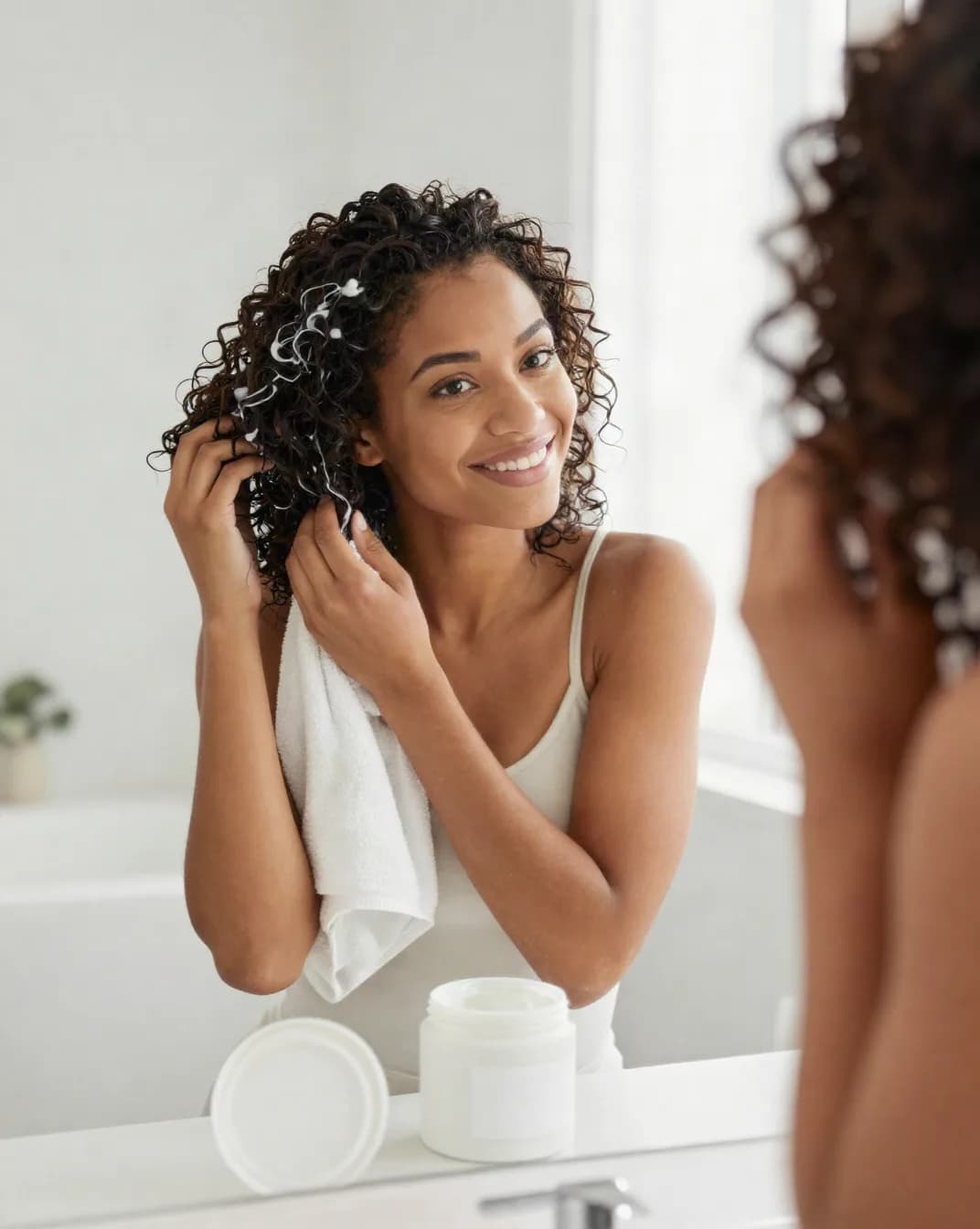
- Diverse creators. Different ages, ethnicities and hair textures, each in their own ad rather than all squeezed into one.
- Ingredients named simply. "Shea butter for slip when detangling" beats a list of chemical names.
Creator content from people with the hair type you serve tends to do well. The UGC ads guide covers briefs and rights, and ad fatigue on Meta explains when to refresh.
Targeting and audiences
Start broad with Advantage+ audience. Hair-type creative does the targeting: a coily wash-day video and a fine-hair volume ad will reach very different people. Beauty and haircare interests can go in as suggestions.
- Retargeting: quiz starters, product viewers and add-to-carts, with the routine bundle or a trial size.
- Reorders: remind buyers when a bottle is likely to run out, based on your own reorder data, or move them to a subscription.
- Lookalikes: seed from repeat buyers, who are the customers you actually want more of (see lookalike audiences).
Offers and landing pages
Routine bundles of shampoo, conditioner and a treatment raise order value and make results more likely because people use the full system. Trial or travel sizes lower the risk for new buyers. Subscriptions suit products used up on a regular cycle, as long as skipping and swapping is easy.
The landing page should let people choose their hair type, show results on that hair type, list ingredients with plain-English explanations, give usage instructions, and be honest about how long results take.
When should haircare brands spend more?
Haircare follows the weather and the social calendar. Humidity and monsoon months bring frizz, winter brings dryness, and summer brings sun, salt and chlorine. Wedding season in India and the year-end party season lift styling and treatment products, and gift sets do well before the holidays. Rotate climate-specific creative as the seasons turn, rather than running one message all year.
Compliance to watch
Haircare sits close to Meta's Health and Wellness rules. Read the current Advertising Standards before you brief a shoot.
- Statements of inferiority. Meta doesn't allow copy that attacks someone's appearance or hygiene. "Embarrassed by your frizz?" or "Is your dandruff showing?" are out. "A leave-in cream for humid days" describes the product.
- Personal attributes. "Losing your hair?" implies a health condition. Describe the product instead, such as "A thickening shampoo for fine hair".
- Hair loss and regrowth. Claims to stop hair loss or regrow hair are medical claims. Products that do so are often regulated as medicines, and hair restoration procedures must be targeted at people 18 and over under Meta's rules.
- Before-and-after. Meta allows before-and-after transformations for general cosmetic products in ads targeted at adults. Keep the lighting, angle and styling identical in both frames, and don't use it for hair-loss claims.
- Anti-dandruff. In some markets, such as the US, anti-dandruff shampoos are regulated as over-the-counter drugs, which limits what you can claim. Check before you make treatment claims.
| Instead of | Try |
|---|---|
| "Regrows hair in 30 days" | "A volumising shampoo for fine hair, gentle enough for daily use" |
| "Tired of ugly frizz?" | "A leave-in cream for curls on humid days" |
| "Cures dandruff" | "A scalp scrub with salicylic acid, used once a week" (check local rules) |
Metrics to watch
Haircare profits usually come from the second and third order, so judge first-order CPA against expected repeat value. Use the break-even ROAS calculator for the first order and the LTV to CAC calculator for the bigger picture.
Example: a ₹549 shampoo (about $6) costs ₹120 to make, ₹70 to ship and ₹16 in fees, leaving ₹343, a break-even ROAS of 1.60. A ₹1,499 three-step routine costs ₹380, ships for ₹90 and carries ₹45 in fees, leaving ₹984 and a break-even ROAS of 1.52. The routine gives almost three times the room per order and is more likely to produce a result that brings the buyer back.
Also watch repeat purchase rate at 60 and 90 days, quiz completion to purchase, hook rate on routine videos, and CPA separately by hair type, since each one behaves like its own market.
How Fly ROAS helps
Fly ROAS reads your site into a Brand DNA, decodes long-running haircare ads in the Meta Ad Library into recipes, and builds ads from your real bottle photos, flagging any where labels or colours drift. Autopilot runs 48-hour tests inside a daily limit and monthly cap you set. The skincare and beauty playbook covers related claims rules.
Frequently asked questions
Do Facebook ads work for haircare brands?
Yes, haircare suits Facebook and Instagram because results are visual and routines make good short videos. The brands that do best speak to one hair type per ad, show real texture without heavy retouching, and build repeat purchases through routine bundles, refills or subscriptions.
Can I advertise hair-loss products on Meta?
Often yes, but claims to stop hair loss or regrow hair are medical claims that need evidence, and many such products are regulated as medicines. Meta doesn't allow copy that implies the viewer has a condition, such as "Losing your hair?", and hair restoration procedures must be targeted at people 18 and over. Check local rules before you advertise.
Are before-and-after images allowed in haircare ads?
Meta allows before-and-after transformations for general cosmetic products when the ad is targeted at adults, and doesn't allow statements that attack someone's appearance. Keep both frames honest, with the same lighting, angle and styling, and avoid using them to imply hair regrowth.
How do I target people with curly hair on Facebook?
There is no reliable hair-type targeting option, but you don't need one. Broad targeting with creative that clearly shows curly hair in the first second lets the ad find the right people, because those are the viewers who stop, watch and buy. Build separate ads for each hair type you serve.