
What makes Meta ads work for candles and home fragrance
Meta ads work for candles when they turn an invisible product into something people can almost smell. That means concrete scent notes, flame and melt-pool close-ups, the sound of a crackling wick and a clear sense of the room and moment the candle belongs to. Gifting drives much of the demand, so gift-ready bundles and delivery dates matter as much as the scent.
Candle buying is emotional and low-risk. People buy a mood, an evening, a gift that looks considered. That makes the category friendly to impulse purchases on Instagram, but it also makes it crowded. Many brands sell similar jars, so the difference lies in how well your creative describes the scent and how confident a buyer feels choosing one they haven't smelled.
Repeat buying is real but uneven. Someone who loves a scent will reorder it, and some customers collect seasonal releases. Others buy once as a gift. Separate the two groups in your reporting, because a gift buyer and a scent loyalist have very different value over a year.
Creative checklist
- Flame and melt pool. A clean, even melt pool and a steady flame signal quality in a second. Tunnelling or soot does the opposite.
- Sound on. Wooden wicks crackle. A lighter click, rain on a window or a kettle in the background adds atmosphere.
- Three scent notes, named. Top, heart and base notes in plain words, ideally shown with the real ingredients, such as a fig, a cedar shaving or coffee beans.
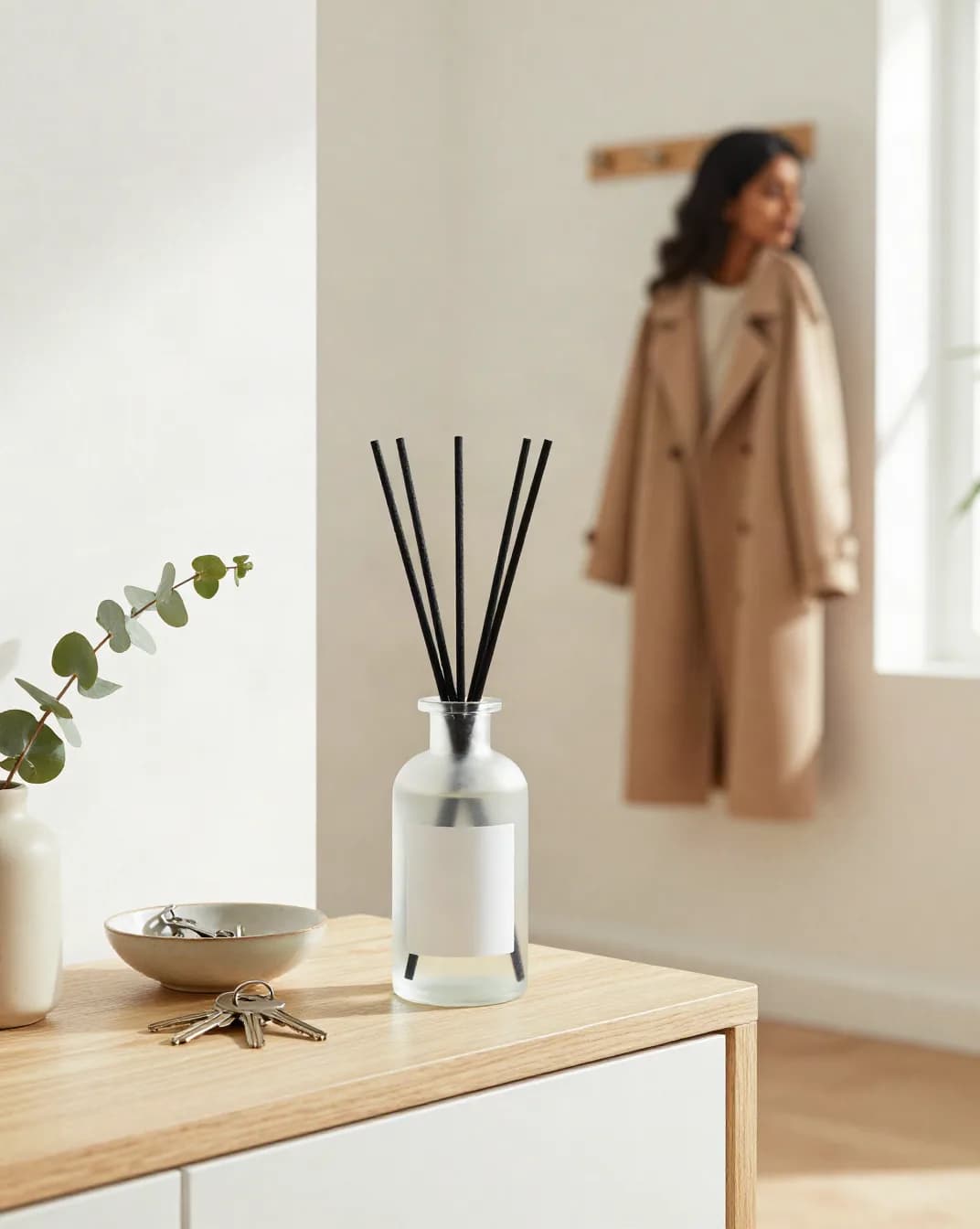
- The room, not a white void. Show where the candle lives and what the person is doing: running a bath, reading, setting a table.
- Scale. Show the jar in a hand or next to a mug, so people know whether they are buying a tealight or a three-wick centrepiece.
- Safe burning. Never show a burning candle unattended, near curtains, beside a sleeping person or within reach of children and pets.
Short video suits this category, because flame and smoke move. The static vs video ads guide explains when a still image is enough.
Targeting and audiences
Start broad with Advantage+ audience. Scent and styling filter the audience well: a dark tobacco candle and a fresh linen diffuser will find different buyers without help. Home decor and self-care interests can go in as suggestions.
- Retargeting: product viewers and add-to-carts, with a discovery set or a bundle offer to remove the "I can't smell it" doubt. The Facebook retargeting ads guide covers windows and exclusions.
- Catalogue ads: with many scents and sizes, Advantage+ catalog ads can show each viewer the scents they looked at.
- Reorders: remind scent loyalists when their candle is likely to be burning down, based on the burn time and your own reorder data.
Offers and landing pages
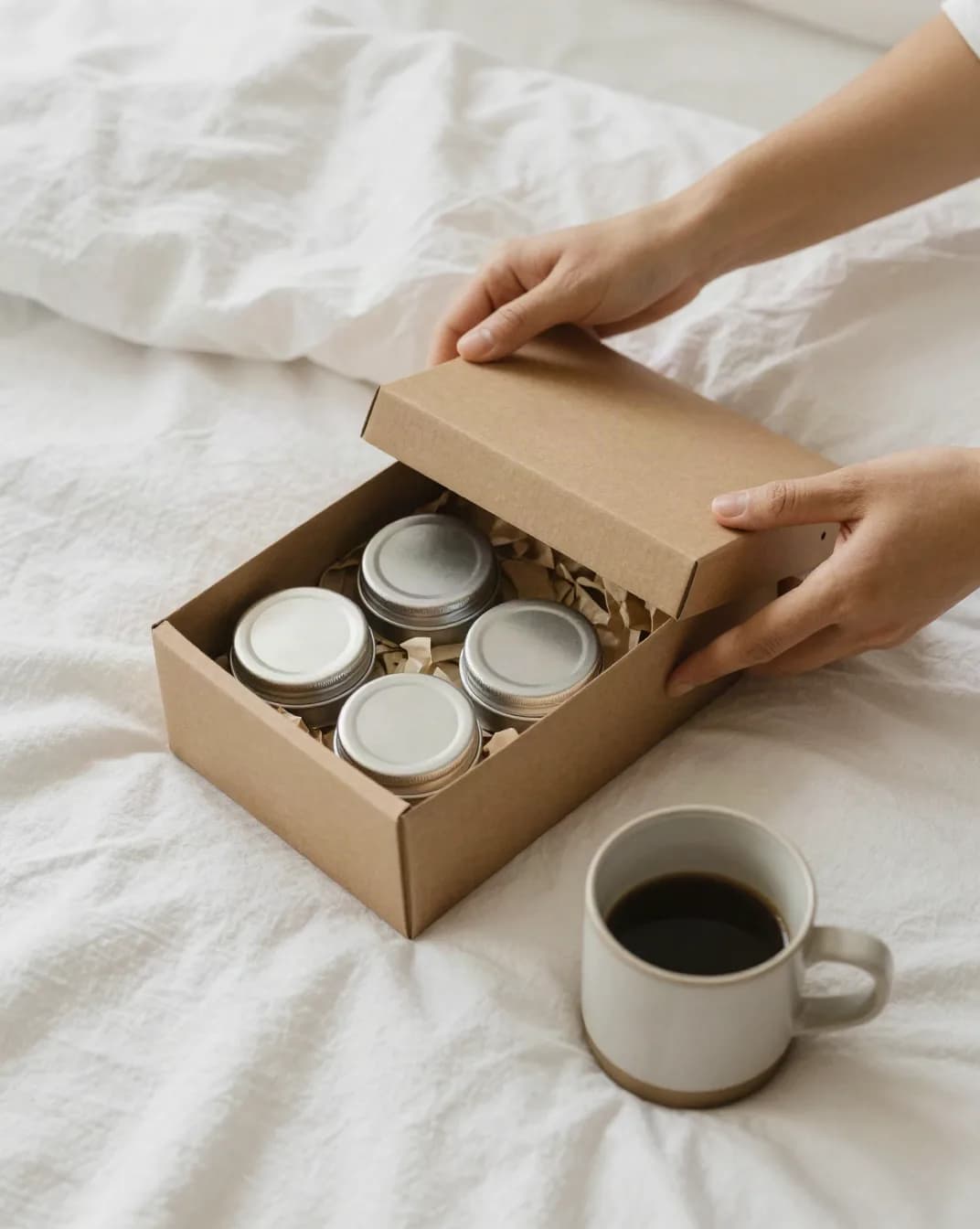
Discovery sets are the strongest first offer, because they turn an uncertain full-size purchase into an easy small one. Bundles of three, refills for vessels people want to keep, and a gift box with a note card raise order value. Free shipping thresholds matter more than usual here, because glass is heavy and fragile.
The landing page should describe each scent in concrete notes, list the wax, wick, size and approximate burn time, show safe burning instructions and include a breakage promise for deliveries.
When should candle brands spend more?
Demand usually rises as evenings get darker and peaks in the run-up to the year-end holidays, when gifting takes over. Diwali drives a strong gifting window in India, and Valentine's Day, Mother's Day and housewarming season add smaller peaks. Reed diffusers and fresh, citrus or floral scents can carry spring and summer. Expect higher CPMs in the busiest gifting weeks, and launch seasonal scents early enough to gather data before the peak.
Compliance to watch
Read Meta's Advertising Standards and the product and labelling rules where you sell.
- Aromatherapy claims. "Relieves anxiety", "helps you sleep" or "clears congestion" are health claims and fall under Meta's Health and Wellness rules. "A lavender and chamomile candle for your evening wind-down" describes the product.
- Personal attributes. "Feeling anxious?" implies a mental health condition. Describe the moment instead.
- "Clean" and "non-toxic". Claims that a wax burns cleaner or is non-toxic need evidence you could produce, and comparisons with other waxes should be fair and specific.
- Insect repellent claims. Citronella candles sold to repel insects can fall under pesticide rules in some markets, such as the US, so check before you make the claim.
- Labelling. In the EU and UK, many fragranced products, including wax melts and reed diffusers, need hazard labelling under the CLP rules. Make sure the pack you show matches what the law requires.
Metrics to watch
Glass, packaging and breakage eat into margin, so build them into your break-even with the break-even ROAS calculator.
Example: a ₹1,299 candle (about $15) costs ₹380 to make, ₹160 to pack and ship safely and ₹40 in fees. Contribution is ₹719, so break-even ROAS is 1,299 ÷ 719 = 1.81. A ₹3,299 gift set of three costs ₹1,050, ships for ₹220 and carries ₹100 in fees, leaving ₹1,929, a break-even ROAS of 1.71. The set gives you almost three times the room for CPA.
Also watch average order value by season, conversion rate from discovery set to full size, breakage rate, and frequency during gifting peaks, when the same audiences see a lot of candle ads.
How Fly ROAS helps
Fly ROAS reads your site into a Brand DNA, decodes long-running home fragrance ads in the Meta Ad Library into recipes, and builds ads from your real jar photos in scenes such as a candlelit bath or a rainy reading corner. Autopilot runs 48-hour tests inside a daily limit and monthly cap you set. See the home decor playbook for styling ideas that carry across.
Frequently asked questions
Do Facebook ads work for candle businesses?
They can, because candles are visual, giftable and easy to buy on impulse. The challenge is that people can't smell the product, so the ads need concrete scent descriptions, flame and melt-pool close-ups and a low-risk first offer such as a discovery set. Profitability depends heavily on shipping and breakage costs, so check your break-even before scaling.
How do you advertise a scent you can't smell online?
Translate it. Name three notes using things people have smelled before, show the real ingredients next to the candle, use sound such as a crackling wick, and place the candle in a specific room and moment. Then offer minis or samples so buyers can test the scent before buying the full size.
Can candle ads mention relaxation or sleep?
Describing a moment is fine, such as "for your evening wind-down". Claiming a health effect, such as relieving anxiety or curing insomnia, is a health claim under Meta's rules and needs evidence. Also avoid questions that imply the viewer has a condition, like "Struggling with stress?".
When is the best time to run candle ads?
Demand usually climbs in autumn and peaks before the year-end holidays, with Diwali, Valentine's Day and Mother's Day as other gifting windows. Start seasonal creative a few weeks before each peak, because ad costs rise in the busiest gifting weeks and new ads need time to gather data.