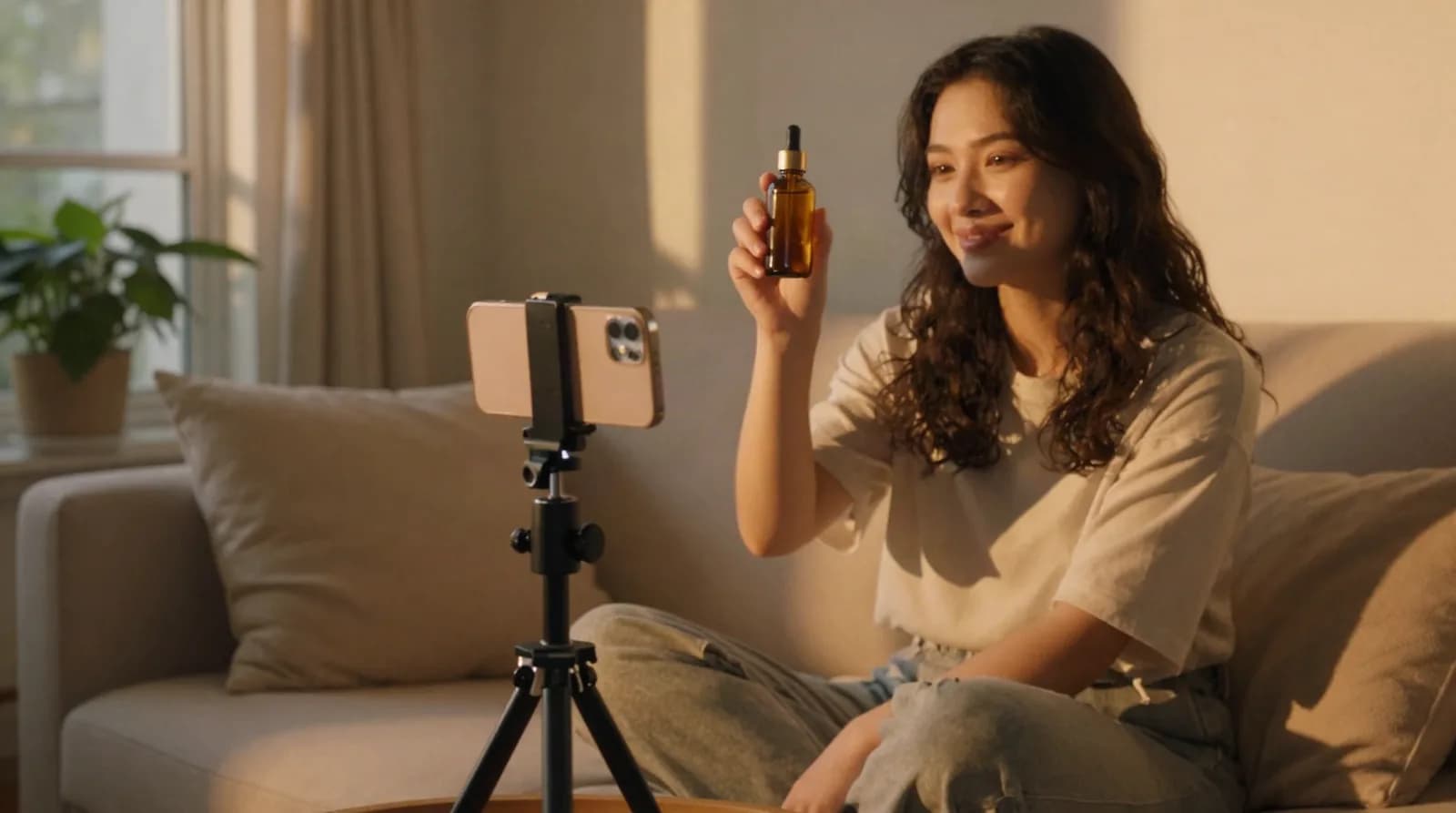
Partnership ads let a brand run ads that appear from a creator's account together with the brand's. The ad header shows both names, with a paid partnership label, and it can use the creator's existing post or new content made for the brand, in Feed, Stories and Reels. Meta renamed branded content ads as partnership ads and has expanded the tools around them since. Many advertisers still call the practice whitelisting.
How partnership ads differ from normal ads
| Brand-only ad | Partnership ad | |
|---|---|---|
| Who it appears from | Your Page or Instagram account | The creator and your brand together |
| Social proof | Your brand's | The creator's existing audience and credibility |
| Content | Anything you make | The creator's post or content made with them |
| Permission | None needed | The creator must give permission |
Because the ad comes from a person, it often feels more like a recommendation than an advertisement, which is why brands use it for UGC ads.
How to set up a partnership ad
There are two common routes, and Ads Manager labels change from time to time:
- Partnership ad code. The creator generates a code for a specific post in their Instagram or Facebook settings and sends it to you. You paste the code into Ads Manager when creating the ad.
- Partnership permissions. The creator tags your brand in a post with a paid partnership label, or you request permission through Meta's partnership tools, and the creator approves it. You can then use their posts in ads.
You'll need your Instagram account or Facebook Page connected to your ad account, and the creator must approve access. Meta's Partnership Ads Hub in Ads Manager gathers eligible creator content in one place in many accounts.
What to agree with creators
- Which posts you may use and for how long.
- Whether you can edit captions or use the content in other formats.
- Payment for paid use, separate from the original post if relevant.
- Disclosure, which Meta handles through the paid partnership label, plus any local advertising rules, such as the ASCI guidelines in India.
Worked example
Example: a skincare brand runs the same creator video two ways for two weeks, with equal budgets.
| From the brand account | As a partnership ad | |
|---|---|---|
| Hook rate | 24% | 29% |
| Link CTR | 1.0% | 1.3% |
| Cost per purchase | ₹610 | ₹520 |
These numbers are illustrative. In some accounts the difference is large, in others small, so test it.
Common mistakes
- Using creator content without written permission for paid use.
- Choosing creators for follower count only. For ads, a creator who explains the product clearly beats a big audience.
- Running one creator forever. Partnership ads suffer ad fatigue like any creative. Rotate creators and angles, and judge them with the same creative testing rules as your other ads.
For sourcing and briefing creators, read our UGC ads guide.
Frequently asked questions
What are partnership ads on Instagram?
Partnership ads are ads that appear from both a creator's account and a brand's, with a paid partnership label. Brands run creator posts, or content made with creators, as paid ads. They replaced Meta's branded content ads.
How do I get a partnership ad code?
The creator generates it for a specific post in their Instagram or Facebook settings, under partnership ad options, and sends it to you. You then enter the code in Ads Manager when creating the ad.
Are partnership ads the same as whitelisting?
They do the same job. Whitelisting used to mean getting access to run ads through a creator's account. Partnership ads are Meta's official, permission-based way to do it, showing both identities with a paid partnership label.
Do partnership ads perform better than brand ads?
They often do because the ad comes from a person, but it isn't guaranteed. It depends on the creator, the content and your audience. Run the same content both ways with equal budgets and compare cost per purchase.