What makes Meta ads work for kitchenware
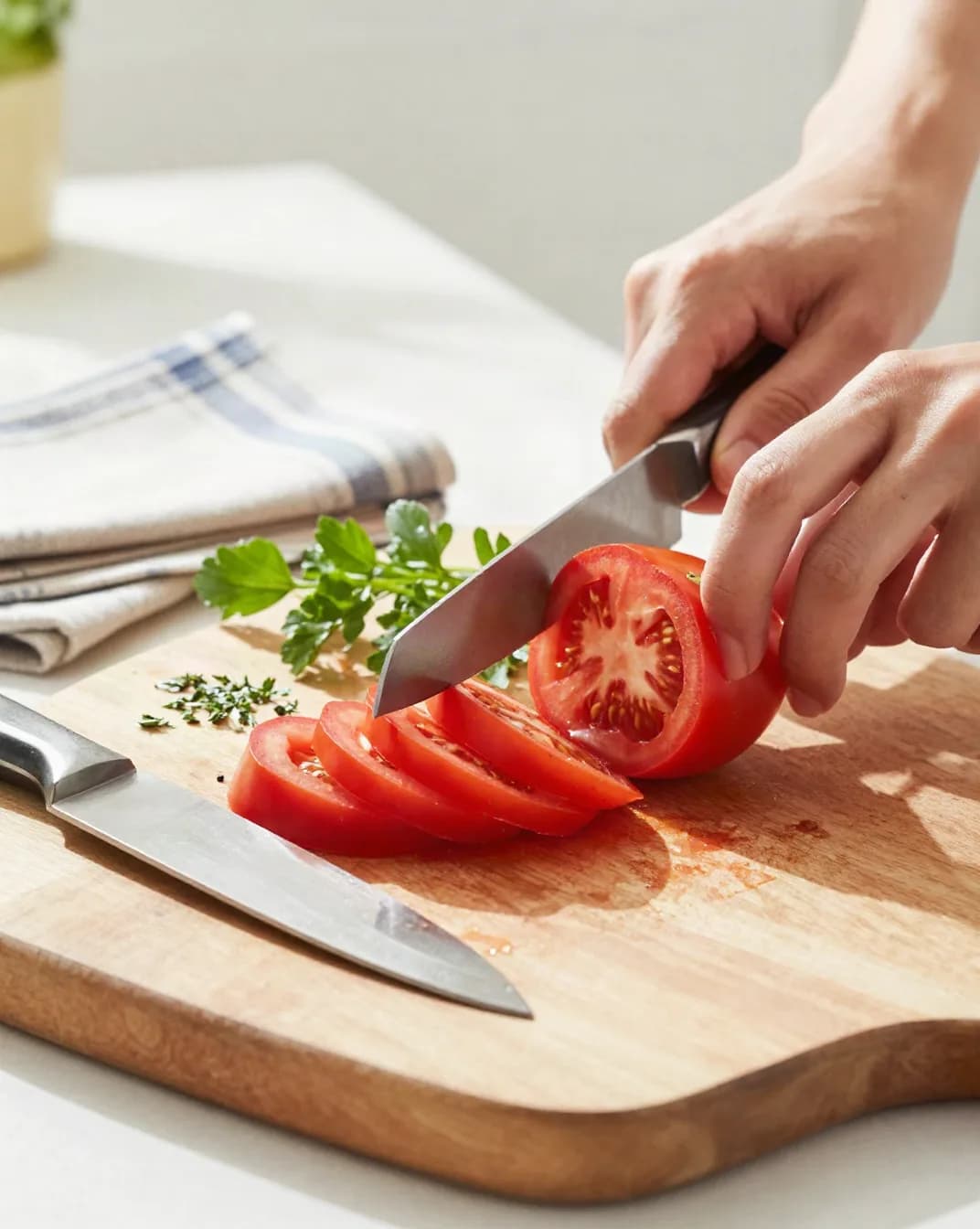
Meta ads work for kitchenware when they demonstrate the product doing its job in a real kitchen, in one unbroken shot: food releasing from a pan, a knife slicing cleanly, a lid sealing. Pair the demo with clear material facts, a care guide and bundles that raise order value, because heavy items cost a lot to ship.
Cookware buyers are practical but emotional. They want food that turns out better and less time scrubbing, and many also want a kitchen that looks good and tools that reflect how seriously they cook. They have usually been disappointed before, by a non-stick pan that stopped working or a knife that went dull. That history makes them sceptical of claims and receptive to proof.
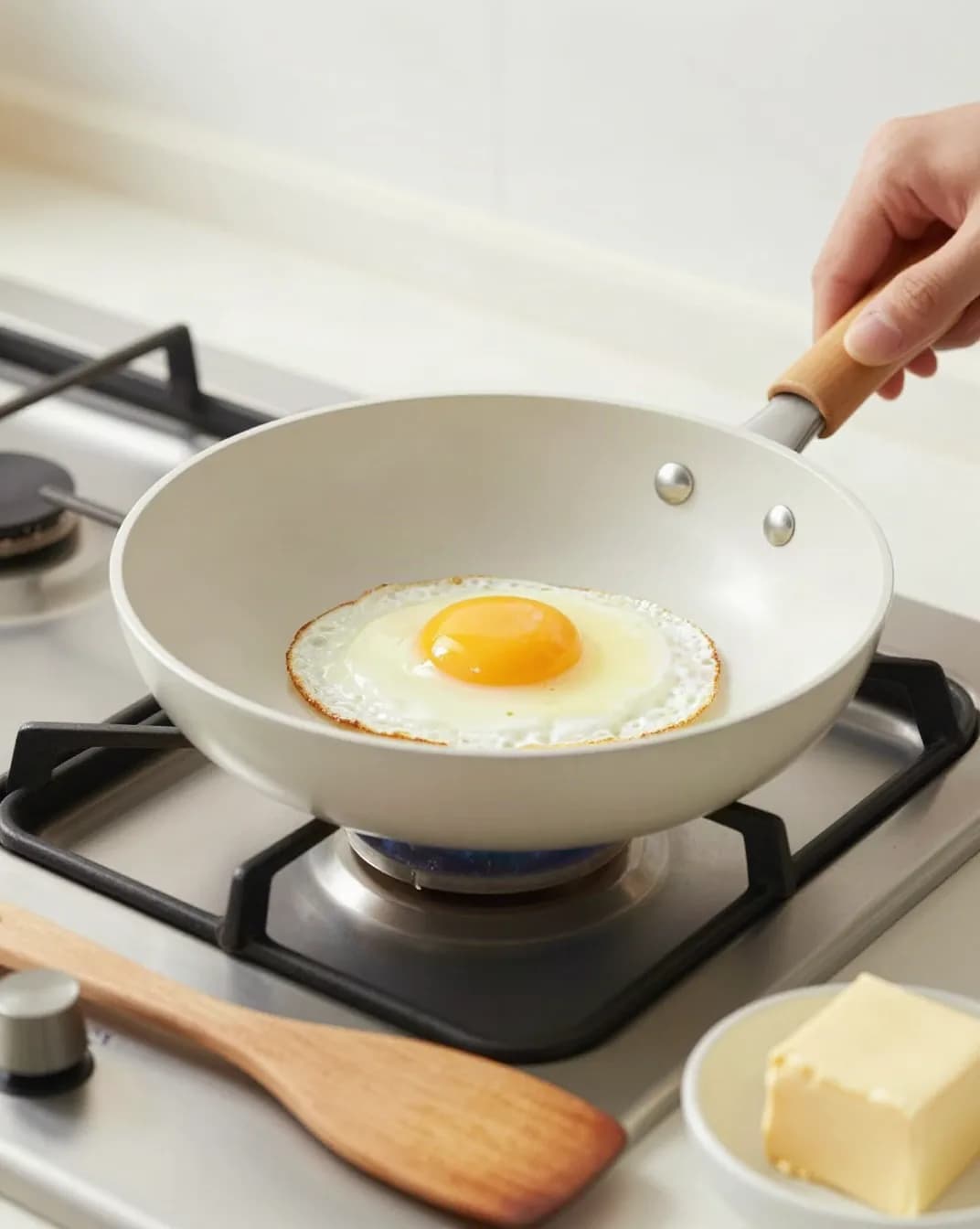
The category rewards demonstration more than almost any other. A ten-second clip of an egg sliding across a pan answers more questions than a paragraph of copy. Recipe videos also work, because cooking content is something people watch for its own sake.
Creative checklist
- One take, real kitchen. Visible cuts make demos look staged. Real hobs, real food, real mess.
- Sound on. Sizzling, the scrape of a spatula, the knock of a knife on a board.
- Show the clean-up. A pan wiped clean in seconds is as persuasive as the cooking itself.
- Name the material. Stainless steel, cast iron, carbon steel, ceramic coating: say which, and what it means for care.
- Scale and weight. Show the pan in a hand, on a hob, next to other pans. Weight is a quality cue for cast iron and stainless steel.
- Hob compatibility. Gas, induction or both, stated clearly, because it is a common reason for returns.
Demos tend to suit short vertical video. The Reels ad hooks guide has opening patterns that suit them.
Targeting and audiences
Start broad with Advantage+ audience. Cooking content filters well on its own: a carbon-steel wok and a baking set will find different cooks. Cooking, baking and food interests can be suggestions.
- Retargeting: product viewers with a recipe video, a care guide or a set offer. Cookware buyers often compare for days.
- Cross-sell: someone who bought a skillet is a natural buyer for a lid, a matching saucepan or a knife. Use past purchasers for those ads, separately from prospecting.
- Gift buyers: wedding registries and housewarming gifts need separate creative with gift wrapping and delivery dates.
Offers and landing pages
Sets raise order value and often cost little more to ship than a single heavy item, which makes them important for profitability. A starter trio, a pan plus lid, or a knife with a sharpener are natural bundles. Care kits, such as seasoning oil for cast iron, are useful add-ons.
The landing page should show the material, weight, dimensions, hob compatibility, oven-safe temperature, care instructions and warranty terms. Close-ups of rivets, handles and edges help buyers judge quality.
When should kitchenware brands spend more?
The year-end gifting season and the big sale events are the strongest periods for most cookware brands. Wedding season drives registry and gift demand, and in India, Dhanteras, when many families buy metal utensils, is a key moment within the Diwali period. New-year cooking resolutions and the run-up to summer barbecues and holiday baking add smaller peaks. Have set offers and gift creative ready ahead of each one.
Compliance to watch
Read Meta's Advertising Standards and local consumer and product-safety rules.
- Knives. Meta's weapons policy restricts knives and blades that aren't for cooking, so culinary knives are generally allowed. Automated review can still flag blades, so show knives in a cooking context, avoid combat or self-defence language, and request a review in Account Quality if an ad is wrongly rejected.
- Coating claims. "Non-toxic", "PFAS-free" and "chemical-free" claims are under growing scrutiny from regulators in several markets. State exactly what the coating is and keep test reports to back any claim.
- Health claims. "Healthier cooking" or "oil-free for weight loss" can bring in Meta's Health and Wellness rules. Describe the feature, such as needing less oil, rather than a health outcome.
- Comparisons. Showing your pan against a generic old pan is fine. Naming a competitor and claiming yours is better needs evidence.
- Appliances. Electrical kitchen appliances often need safety certification, and in India many need BIS certification, so check before advertising them.
Metrics to watch
Shipping heavy items is the margin killer in cookware. Model single items against sets with the break-even ROAS calculator.
Example: say an $89 skillet costs $26 to make, $14 to ship and $3 in fees, leaving $46, a break-even ROAS of 89 ÷ 46 = 1.93. A $199 three-piece set costs $62, ships for $18 and carries $6.50 in fees, leaving $112.50, a break-even ROAS of 1.77. The set gives you more than twice the room per sale, which is why many cookware brands lead their ads with sets.
Also watch average order value, return rate by product (often driven by hob compatibility), hold rate on demo videos, and cross-sell rate from first purchase to second.
How Fly ROAS helps
Fly ROAS learns your brand from your website, decodes long-running cookware ads in the Meta Ad Library into recipes, and builds ads from your real product photos in scenes such as a Sunday breakfast or a curry night. Autopilot runs 48-hour tests inside a daily limit and monthly cap you set. The food and beverage playbook has recipe-led ideas that carry across.
Frequently asked questions
Do Facebook ads work for cookware and kitchenware?
Yes, kitchenware suits Facebook and Instagram because it is easy to demonstrate and cooking videos earn attention on their own. The main challenge is shipping cost for heavy items, so sets and bundles that raise order value are often what makes the ads profitable.
Can I advertise kitchen knives on Meta?
Generally yes. Meta's weapons policy restricts knives and blades that aren't for cooking, so culinary knives are allowed, but automated review sometimes flags blades by mistake. Show knives in a clear cooking context, avoid combat or self-defence language, and request a review in Account Quality if an ad is wrongly rejected.
Can I say my pans are non-toxic or PFAS-free?
Only if the claim is accurate and you can back it with test reports. Regulators in several markets are paying closer attention to coating and chemical claims. The safest approach is to state exactly what the pan and coating are made of and let buyers draw their own conclusions.
What kitchenware ads perform best on Meta?
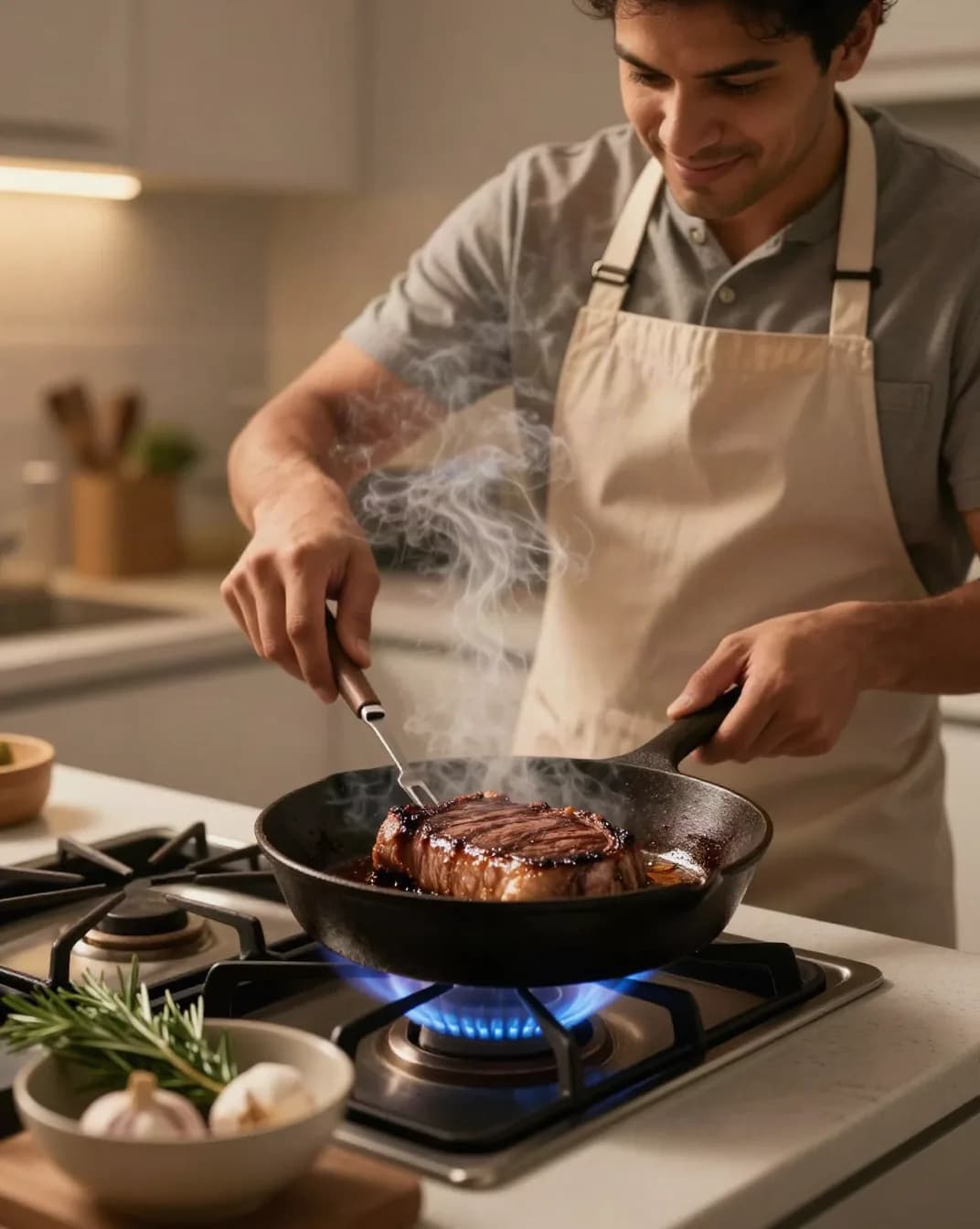
Live, one-take demos in real kitchens are the most reliable angle to test: an egg sliding off a pan, a knife slicing a tomato, a sear on a steak. Recipe-led videos and problem-and-fix ads are worth testing alongside. Keep the product in frame from the first second.